Louisiana Queer Arts

Louisiana Queer Arts

Each year the LGBT+ Archives Project of Louisiana has a specific programming focus. In recent years we have focused on the history of HIV / AIDS in New Orleans (NOAMP) and the 50th anniversary of the Up Stairs Lounge fire—both important, if not pleasant topics. This year, we turn our attention to a happier subject: Louisiana Queer Arts.

Our focus is visual arts, both historically and contemporaneously. LQA will explore the history of queer artists and their work in Louisiana as well as shine a spotlight on current working artists.

The program will take place over four days (June 5 – 8) at multiple locations throughout

Louisiana and feature art exhibitions, an artists’ fair, two panel discussions, and film screenings.

Videos

Thursday, June 5, 2025, 7:00PM
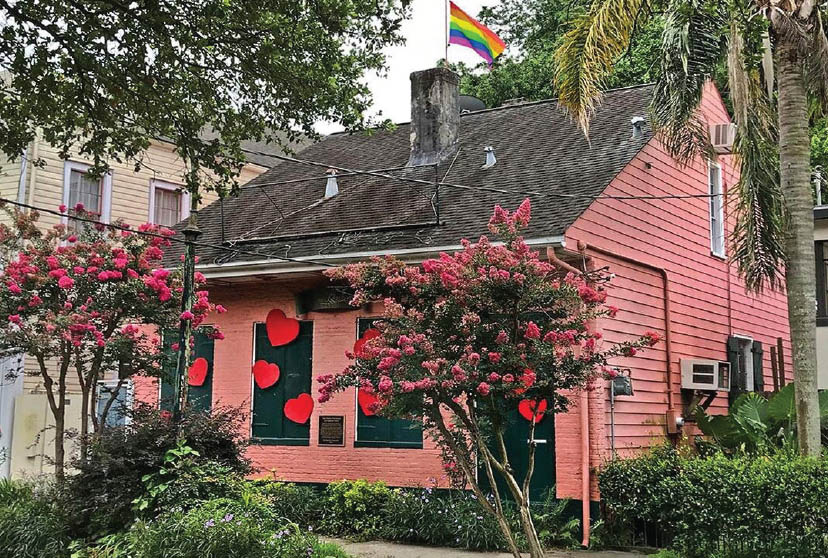
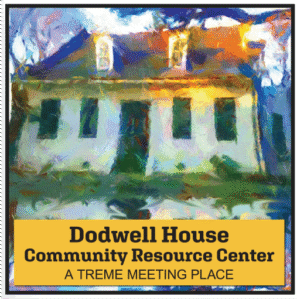
Dodwell House , 1519 Esplanade Ave.

LGBT+ Archives Project Annual Membership Meeting

John Burton Harter Panel Discussion: The Life, Work, and Art of John Burton Harter.
Ron Joullian, Noel Twilbeck, Brian Sands, Sean Svetlik, and Bradley Sumrall

Saturday, June 7, 2025, 6:00-7:30PM
Marigny Opera House, 725 St. Ferdinand St

Panel Discussion: Historical Perspectives on Louisiana Queer Art

Arthur Roger, Meg Turner, and David Campbell

Sunday, June 8, 2025 1:00-3:00PM
Broad Theater, 6363 N. Broad St.

Sneak Peeks: Queer Films Currently in Production

Valda Lewis, From Where We Stood: AIDS and the Culture Wars
Lasse Lau, Bachelors Only

Photos
June 5—June 8, 2025 • New Orleans, LA
A PROGRAM OF THE LGBT+ ARCHIVES PROJECT OF LOUISIANA

Each year the LGBT+ Archives Project of Louisiana has a specific programming focus. In recent years we have focused on the history of HIV / AIDS in New Orleans, New Orleans Aids Memory Project (NOAMP) and the 50th anniversary of the Up Stairs Lounge fire – both important, if not pleasant topics. This year, we turn our attention to a happier subject: Louisiana Queer Arts.
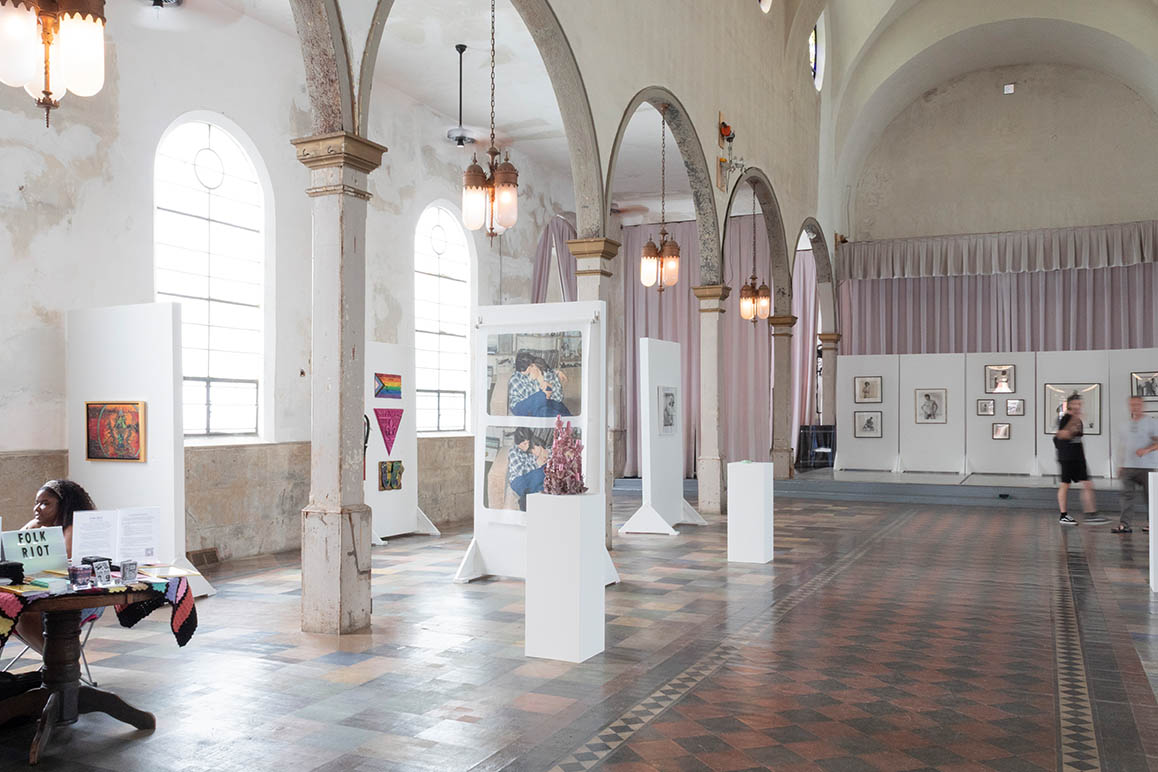
Our focus is visual arts, both historically and contemporaneously. LQA will explore the history of queer artists and their work in Louisiana as well as shine a spotlight on current working artists.

The program will take place over four days (June 5 – 8) at multiple locations throughout New Orleans and feature art exhibitions, an artists’ fair, two panel discussions, and film screenings. All events are free and open to the public.

Thursday, June 5, 7pm
(Dodwell House, 1519 Esplanade Ave.)

Annual Membership Meeting & Program Launch

The Louisiana Queer Arts program will officially launch at the LGBT+ Archives Project’s (AP) annual membership meeting at the historic Dodwell House. After a summary of the Archives Project’s accomplishments over the last year, the AP will present its annual Stewart Butler/Alfred Doolittle Award for Contributions to Queer History.
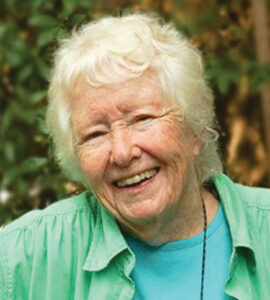
2025 AWARD RECIPIENT  Barbara Scott
Pioneering lesbian and working artist, Barbara Scott is this year’s award recipient. Scott has made history on multiple fronts: as a politician, restauranteur, hôtelier, artist, preservationist, feminist, gerontologist, and social justice warrior. The meeting will also feature an exhibition of Scott’s sculpture.
Thursday, June 5
(after the Award Presentation)

Panel Discussion: The life, work, and art of John Burton Harter

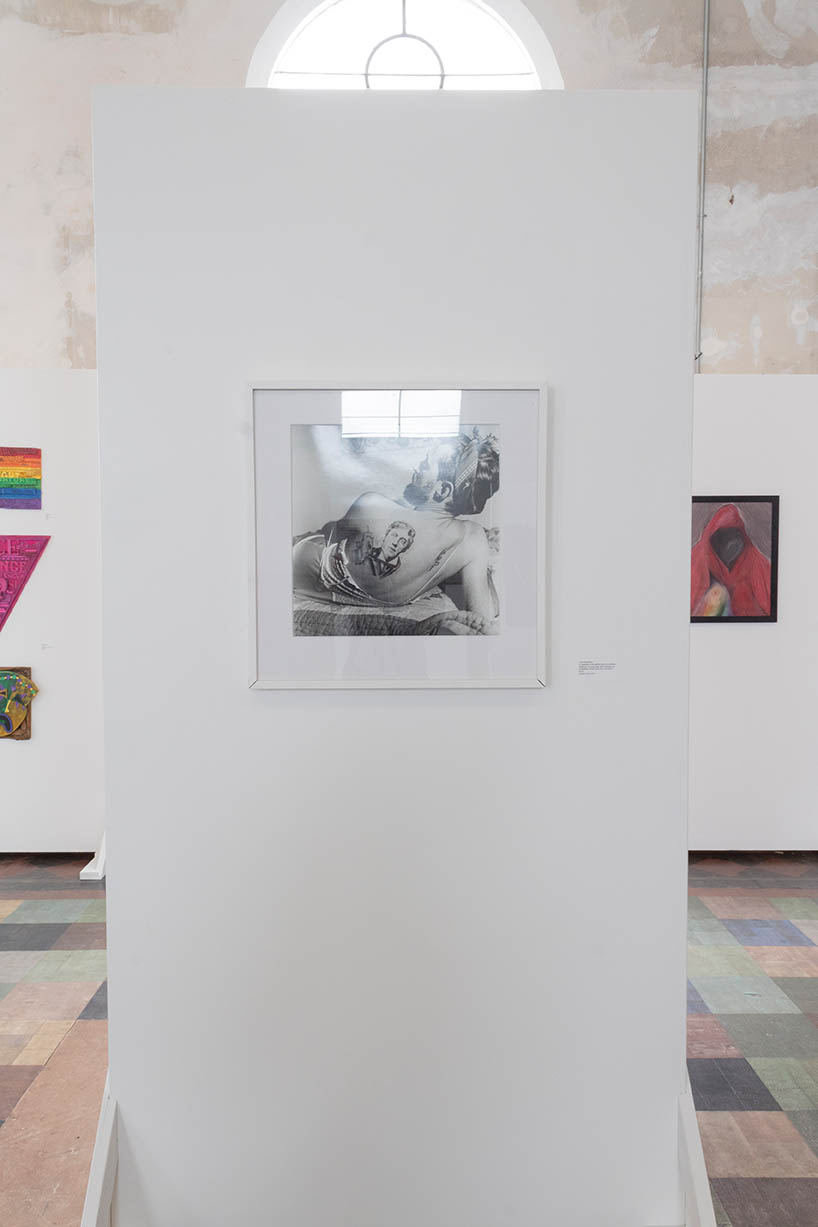
The late John Burton Harter (1940—2002) documented the richness of gay experience through his prolific artwork. He is most known for exquisite figure studies, especially fine compositions of the male body. These works range from classical studio drawings to completed paintings and self-portraits. He created over 3,000 works of art during his life largely based in New Orleans, LA. Panelists include, Ron Joullian, Noel Twilbeck, Brian Sands, Sean Svetlik, and Bradley Sumrall.
The annual membership meeting will also feature an exhibit of original Harter works, on loan from The Faerie Playhouse, which houses the largest private collection of Harter’s works anywhere in the world.
Friday, June 6, 6:00pm
(Williams Research Center, 410 Chartres St.)

Film Screening: George Dureau: New Orleans Artist

We will gather for the new documentary by Sergio Andres Lobo-Navia and Jarret Lofstead. The filmmakers will be present to introduce the films.
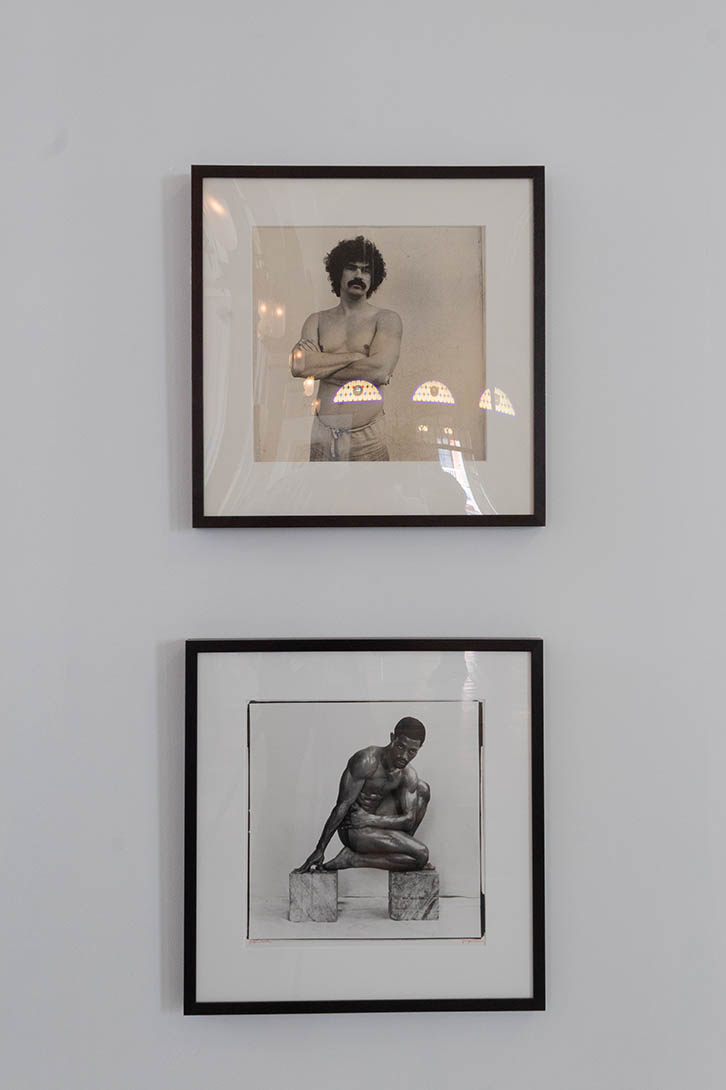
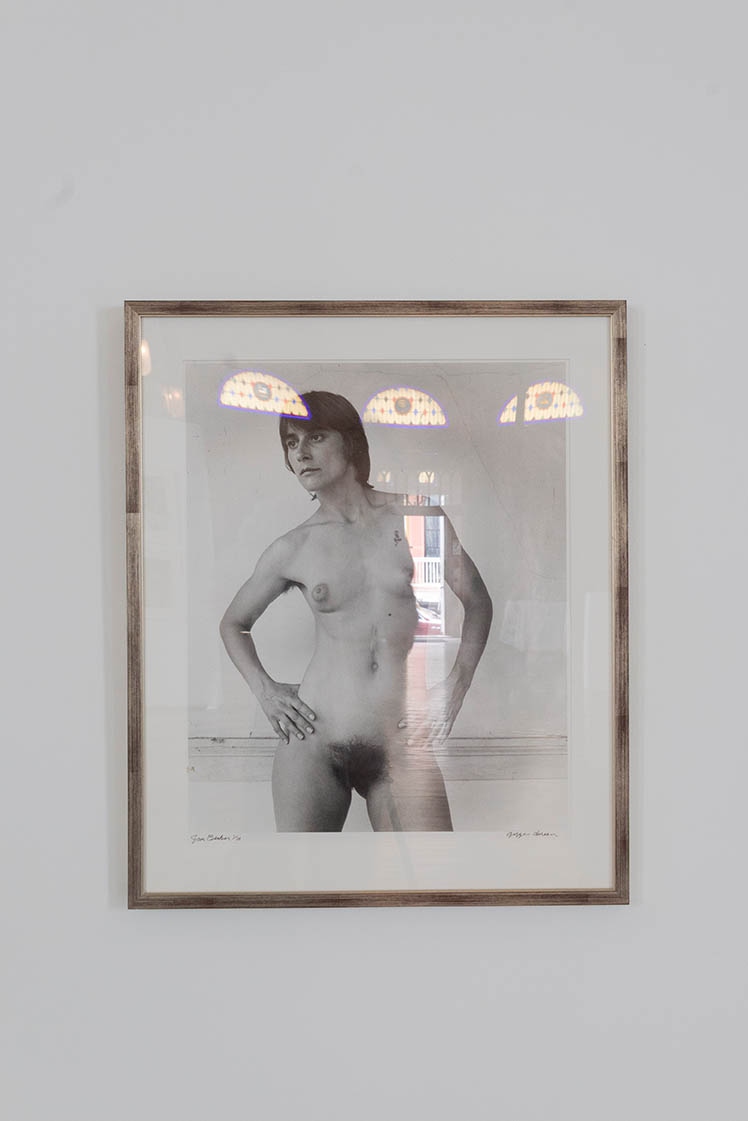
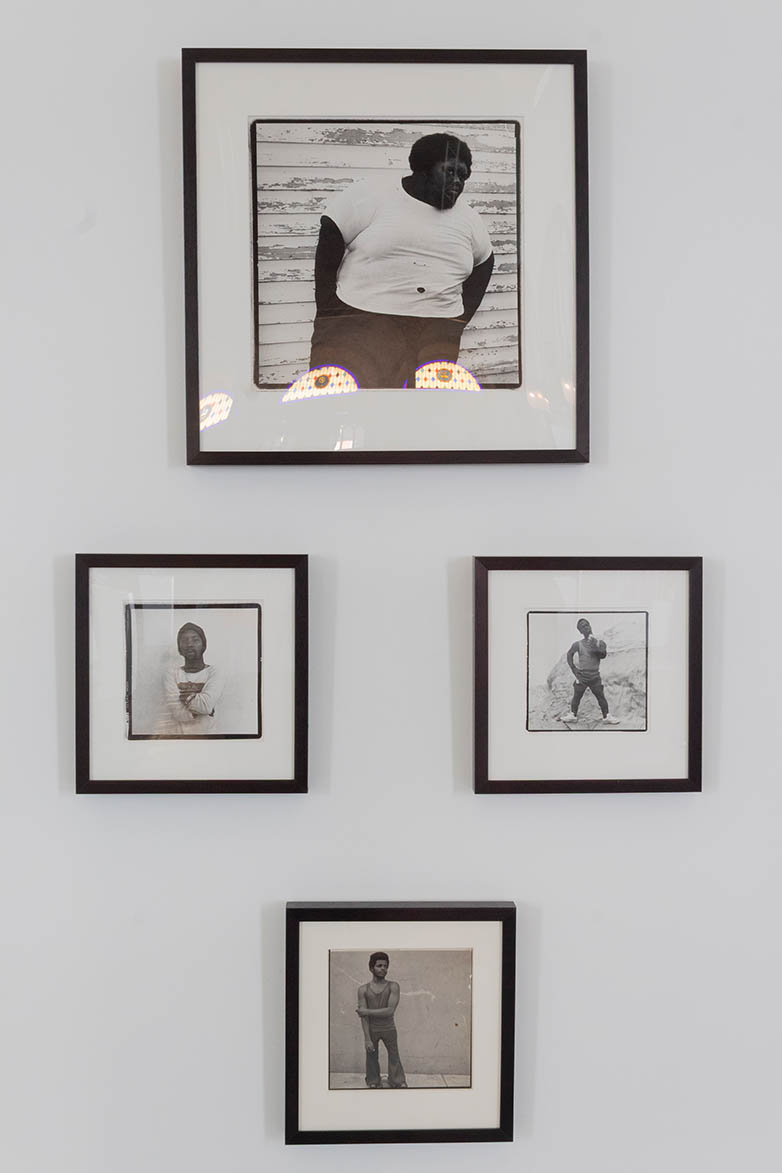
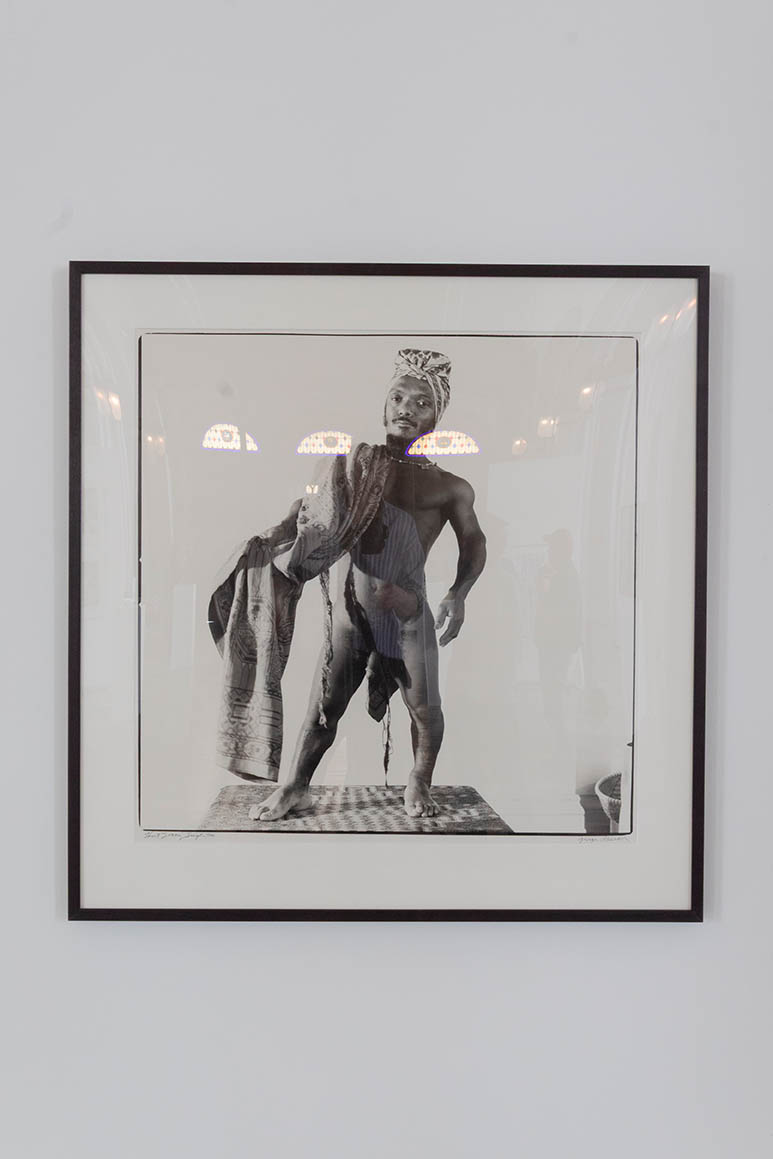
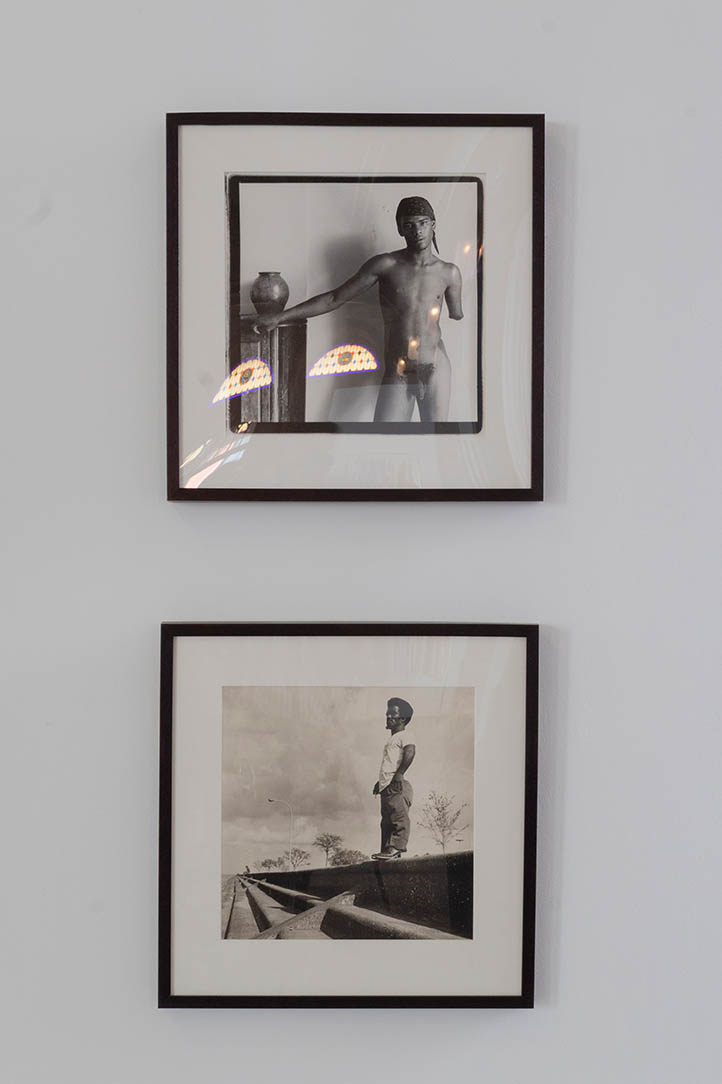
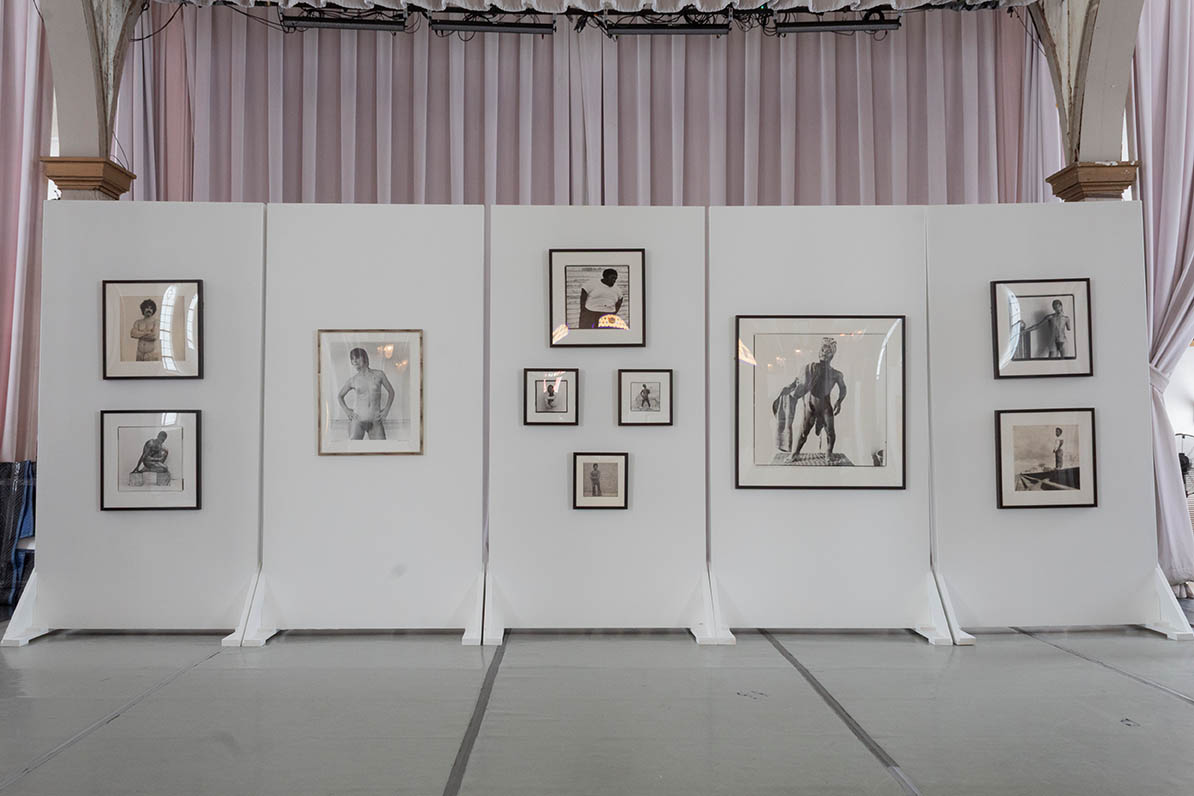
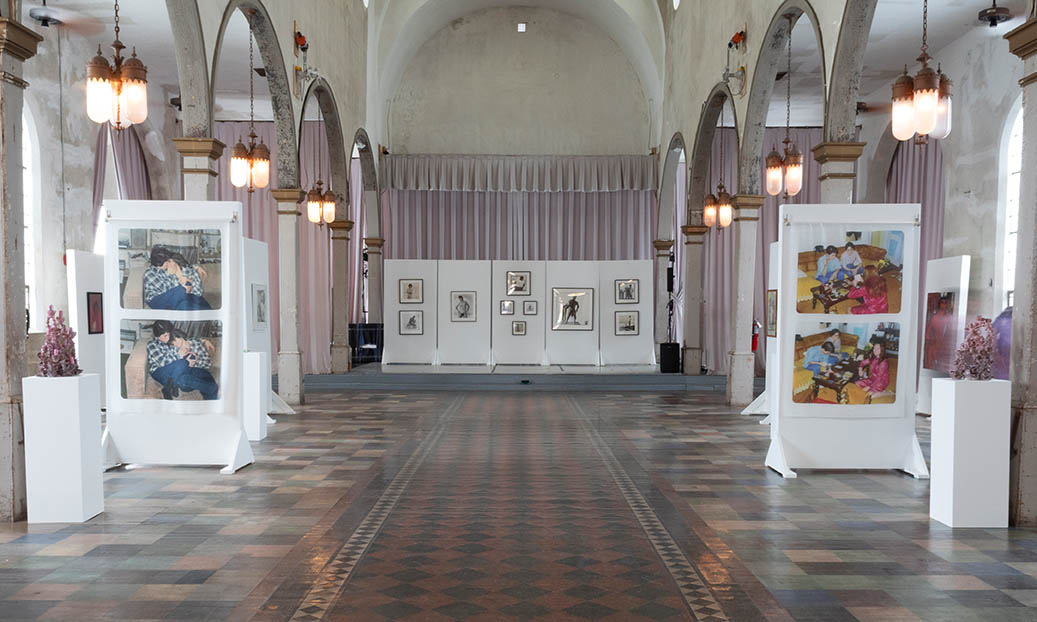
There will be an exhibit of Dureau’s photography (on loan from the Arthur Roger Gallery) on Saturday, June 7 at the Marigny Opera House.
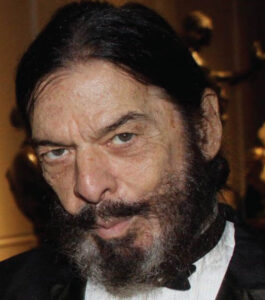
George Dureau (1930-2014) was an artist whose long career was most notable for charcoal sketches and black and white photography of poor white and black athletes, dwarfs, and amputees. Dureau’s photographs, which inspired Robert Mapplethorpe, were often used as studies for his photographs.

Saturday, June 7, 11:00am—6:00pm
(Marigny Opera House, 725 St. Ferdinand St.)

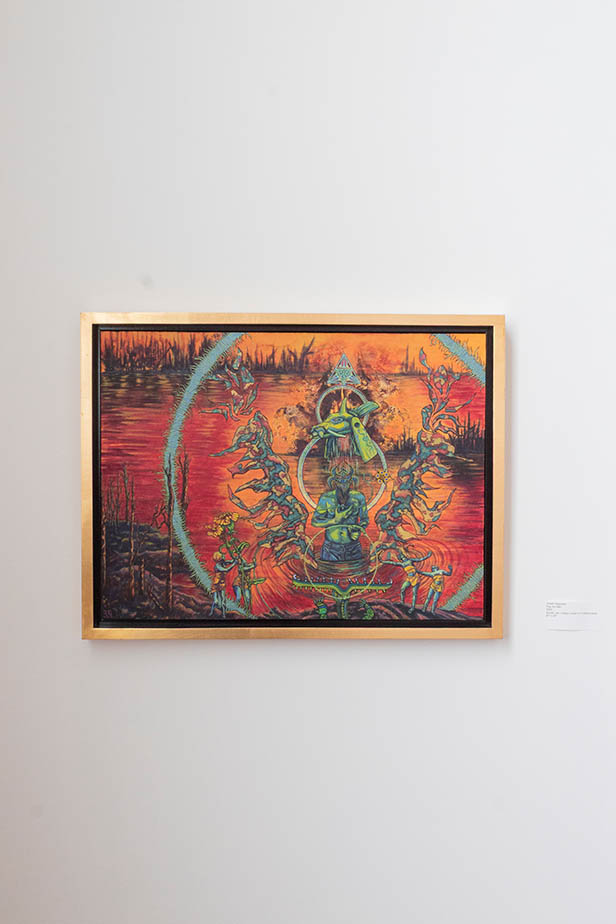
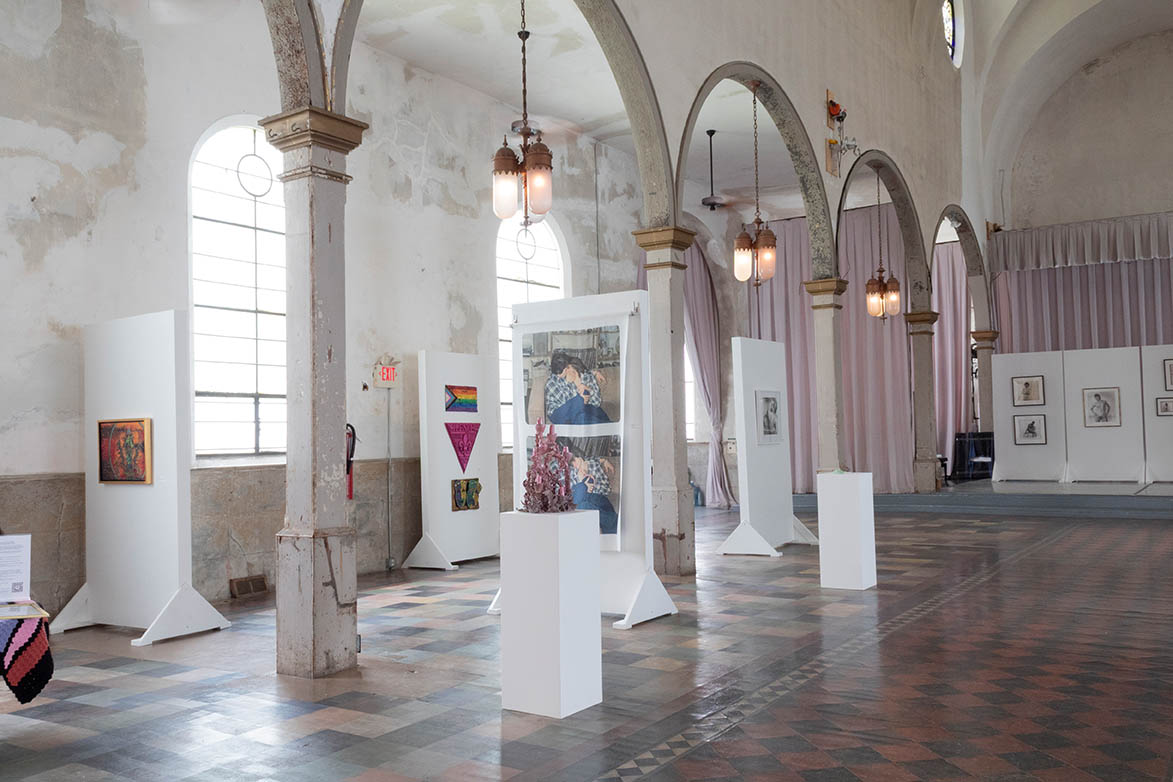
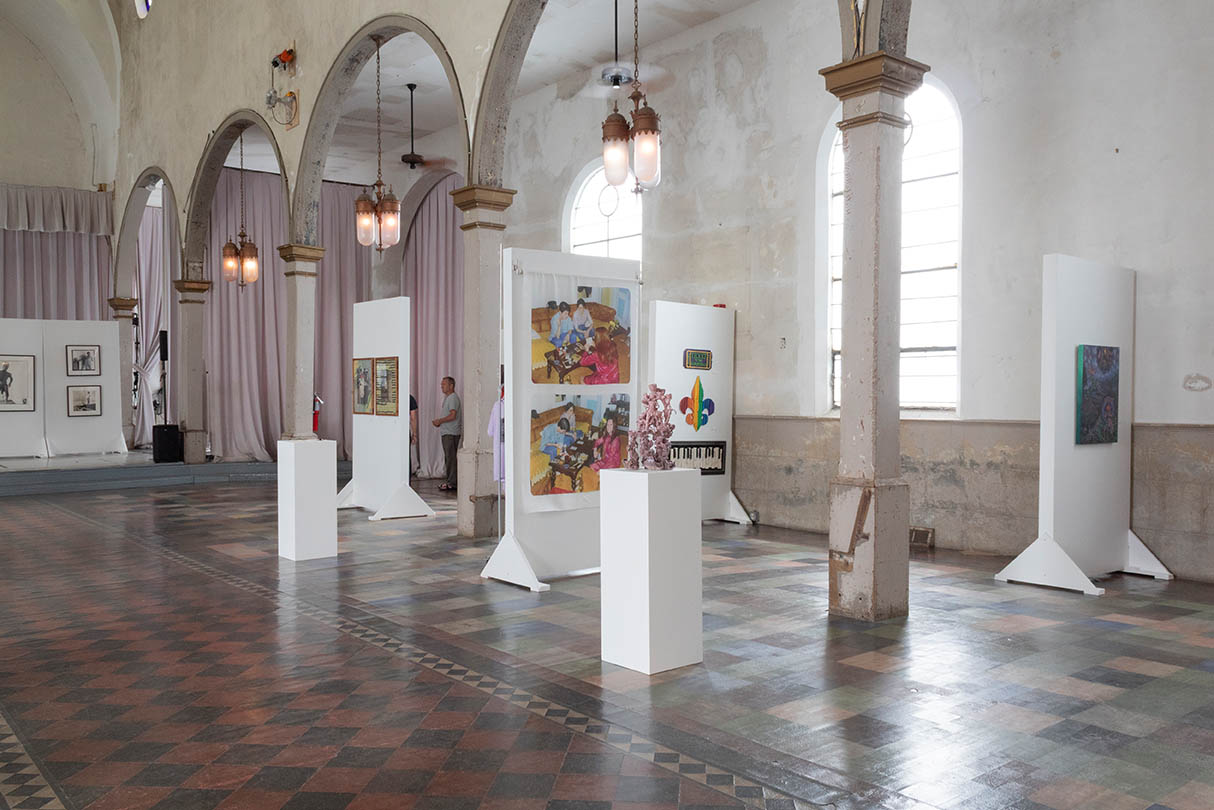
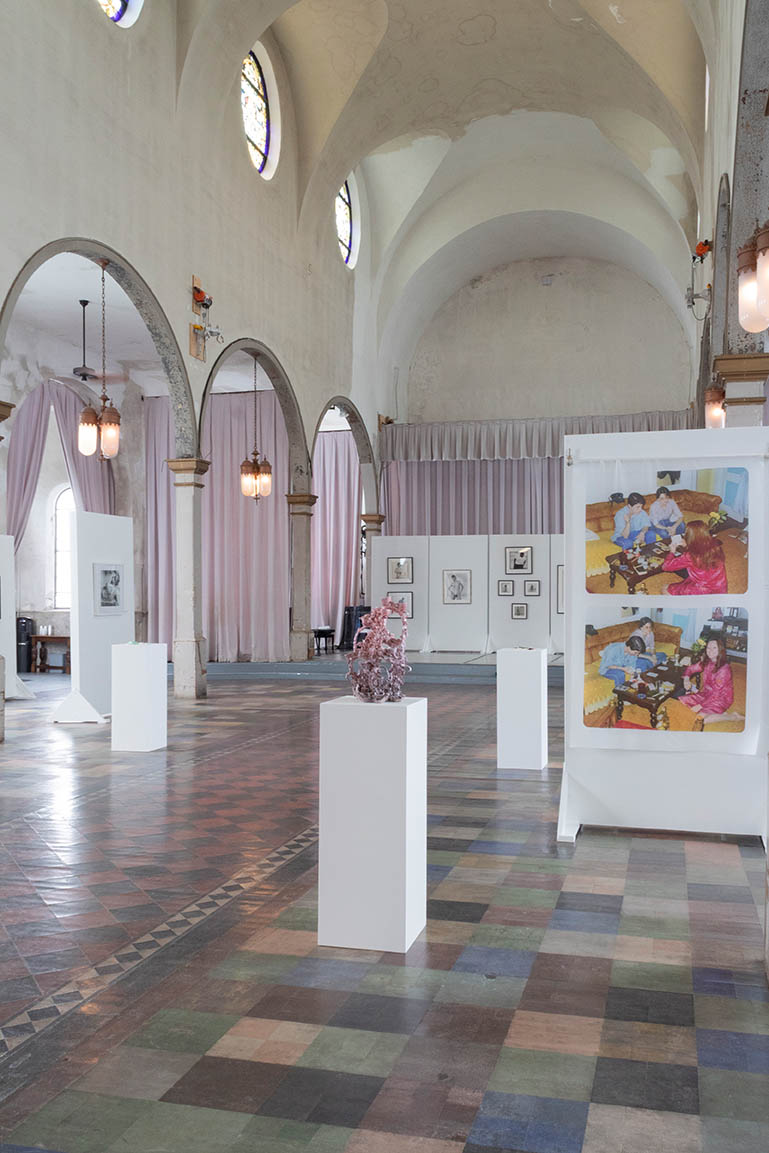
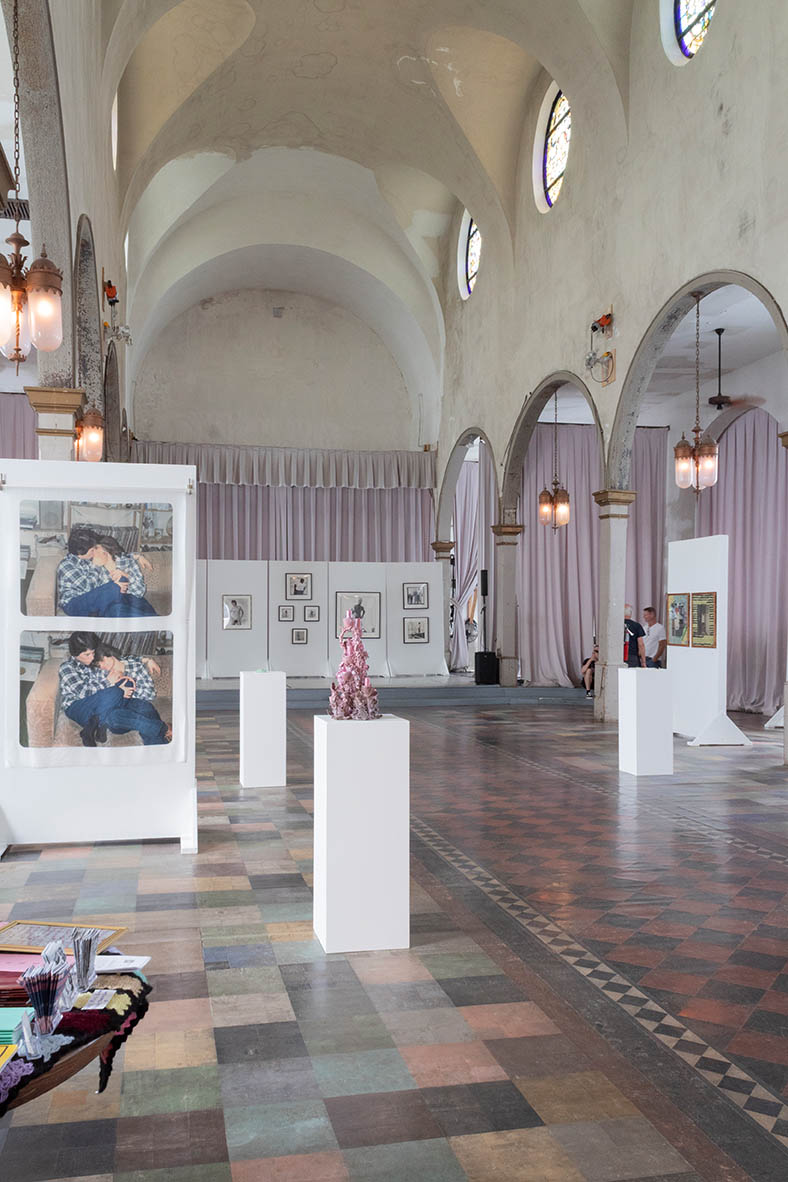
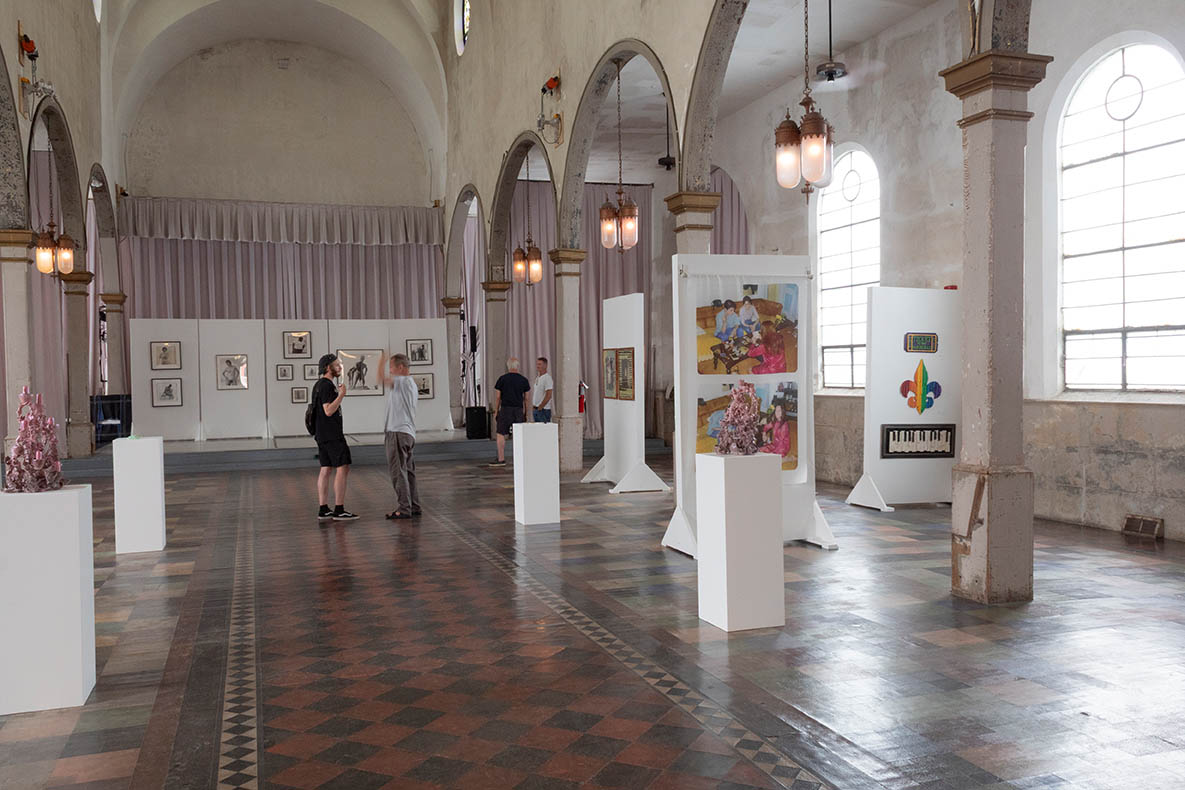
Artists’ Fair & Exhibition

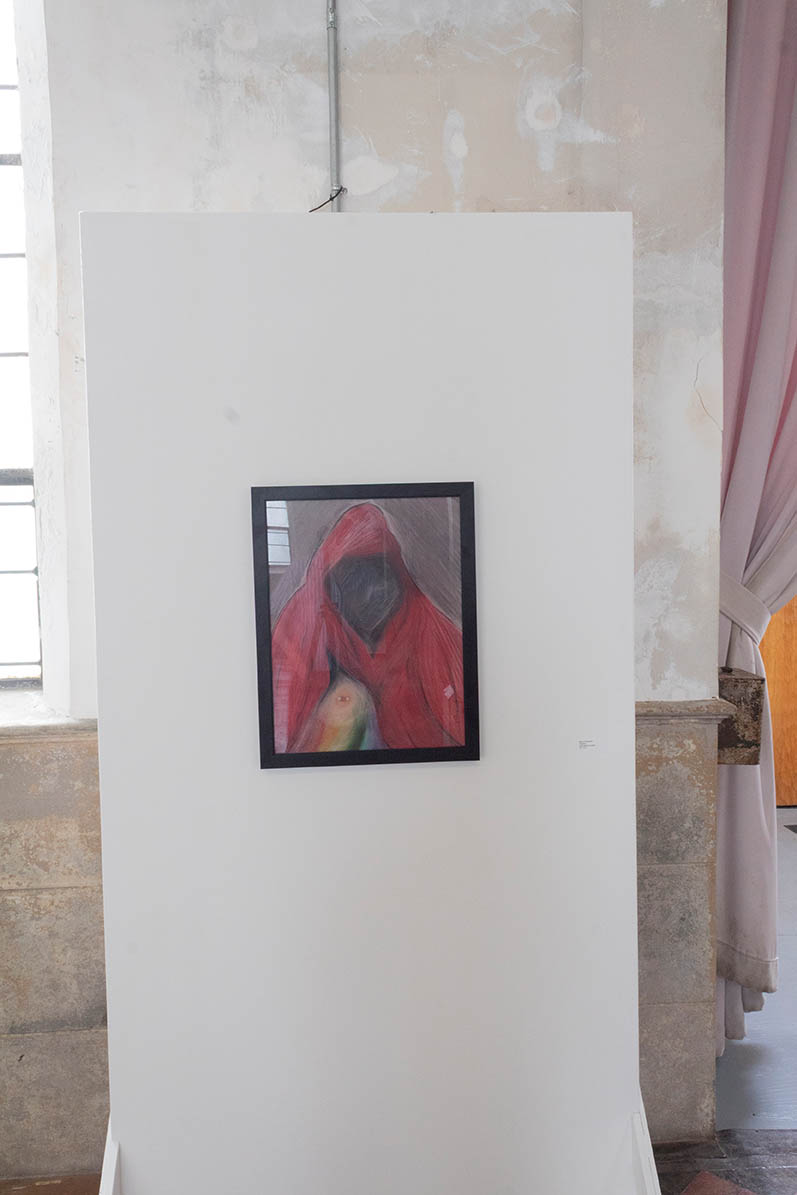
Join us as we showcase the works of artists from across the state. Read more about Ryne Stoned, Colin Robinson, Bobby White, Kristi Knipe, Vernell Dunams, Hope Hickman, Jaime Cantrell, Taylor Sacco,Josiah Gagosian, Dr. Liz Johnston-Dupre, and Romy Thompson.
Hope Hickman

Hope Hickman

She / Her / They

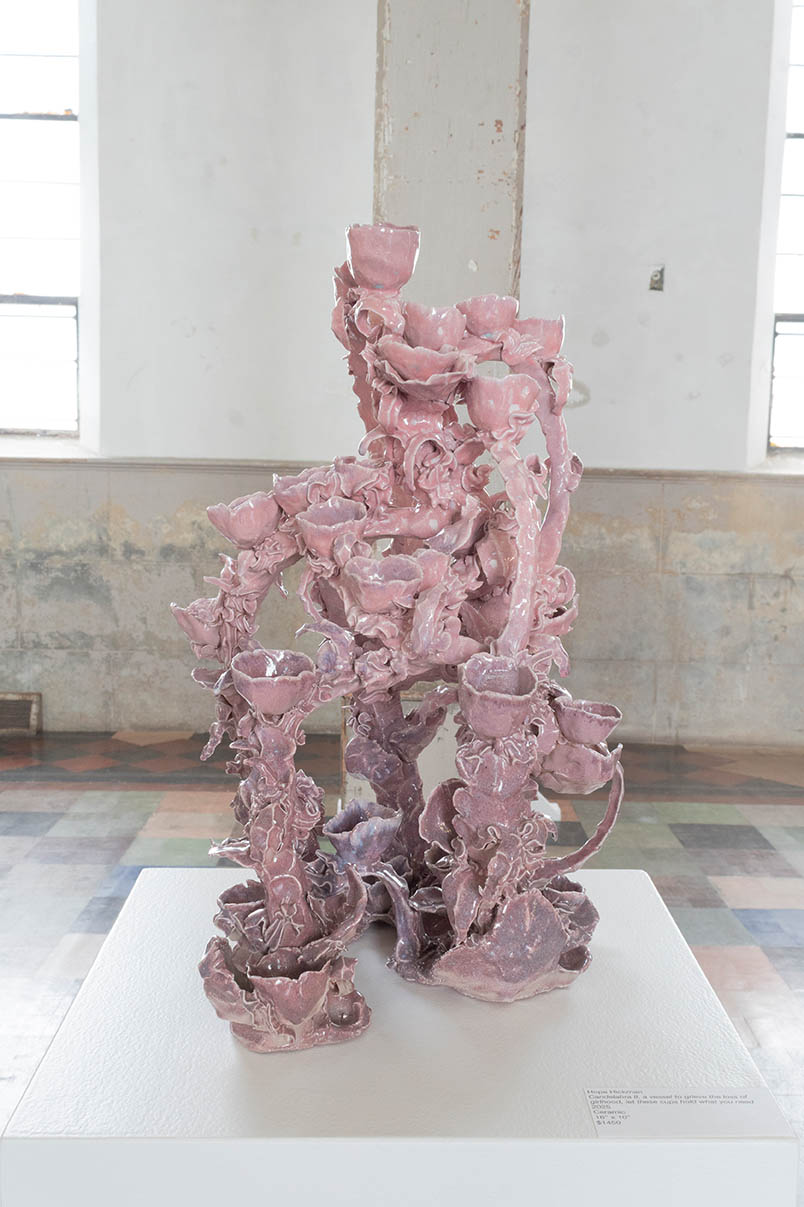
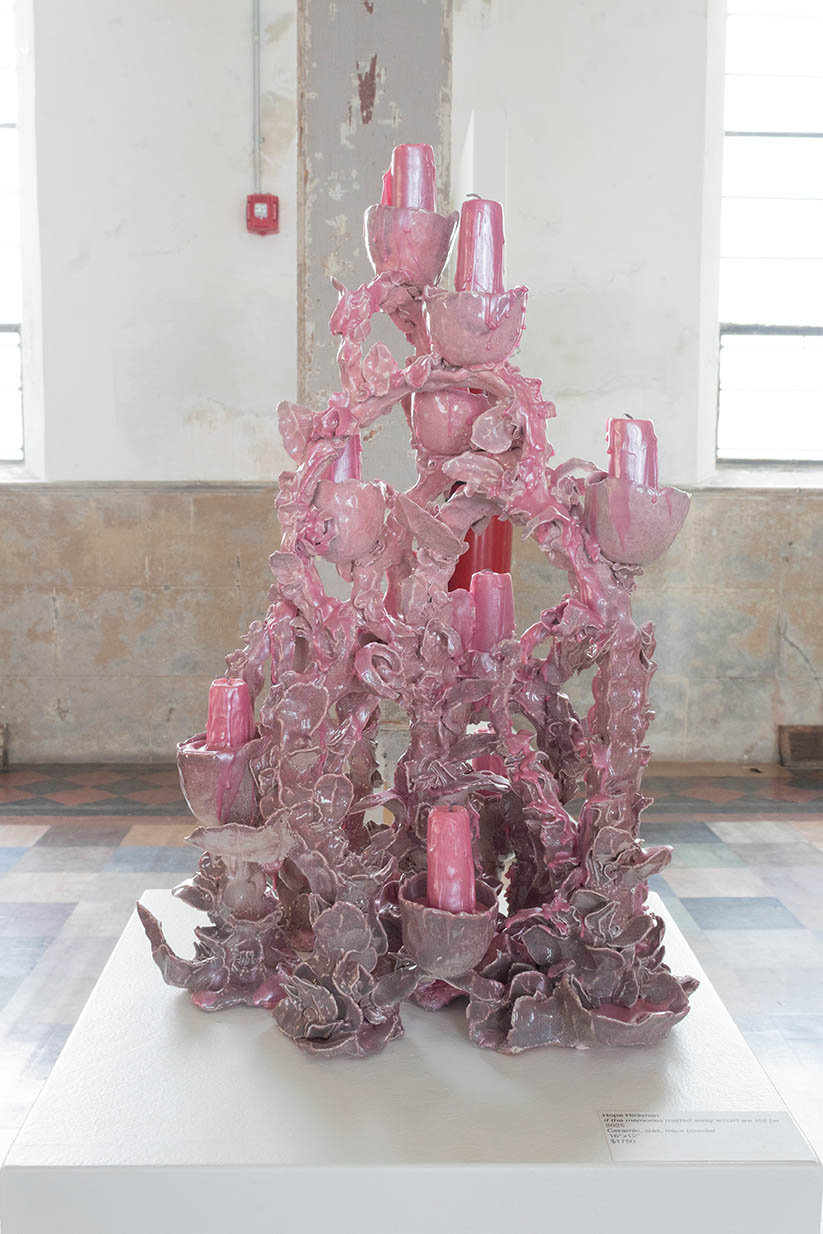
“I am a ceramic artist who creates magical realist interpretations of my Midwestern suburban childhood. My work critiques the privilege, hierarchy, and control embedded in both white suburban life and American culture. By blending whimsical forms with candy-coated surfaces, I reveal a world that, though seemingly beautiful, hides inequalities, moral panic, and rigid societal expectations beneath its surface. I often focus on the suburban landscape, particularly topiaries and manicured hedges, which evoke the labor and maintenance that shape these environments. Cuteness is a deliberate strategy in my work—using sugary glazes, pastel hues, and childlike doodles to create a hyper-femme aesthetic. This allows me to explore themes of girlhood, patriarchal structures, white supremacy and the challenges faced by queer and femme presenting people.”
Taylor Sacco

Taylor Sacco

They / He

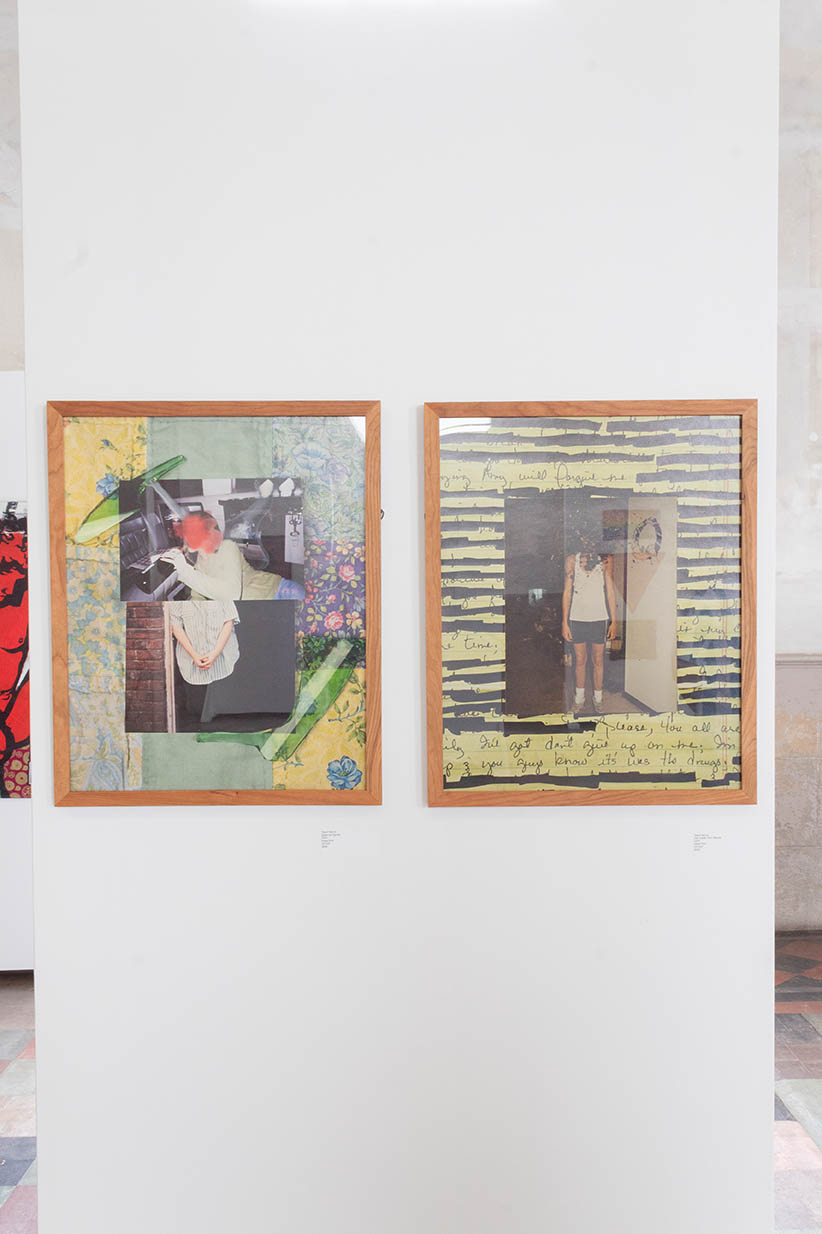
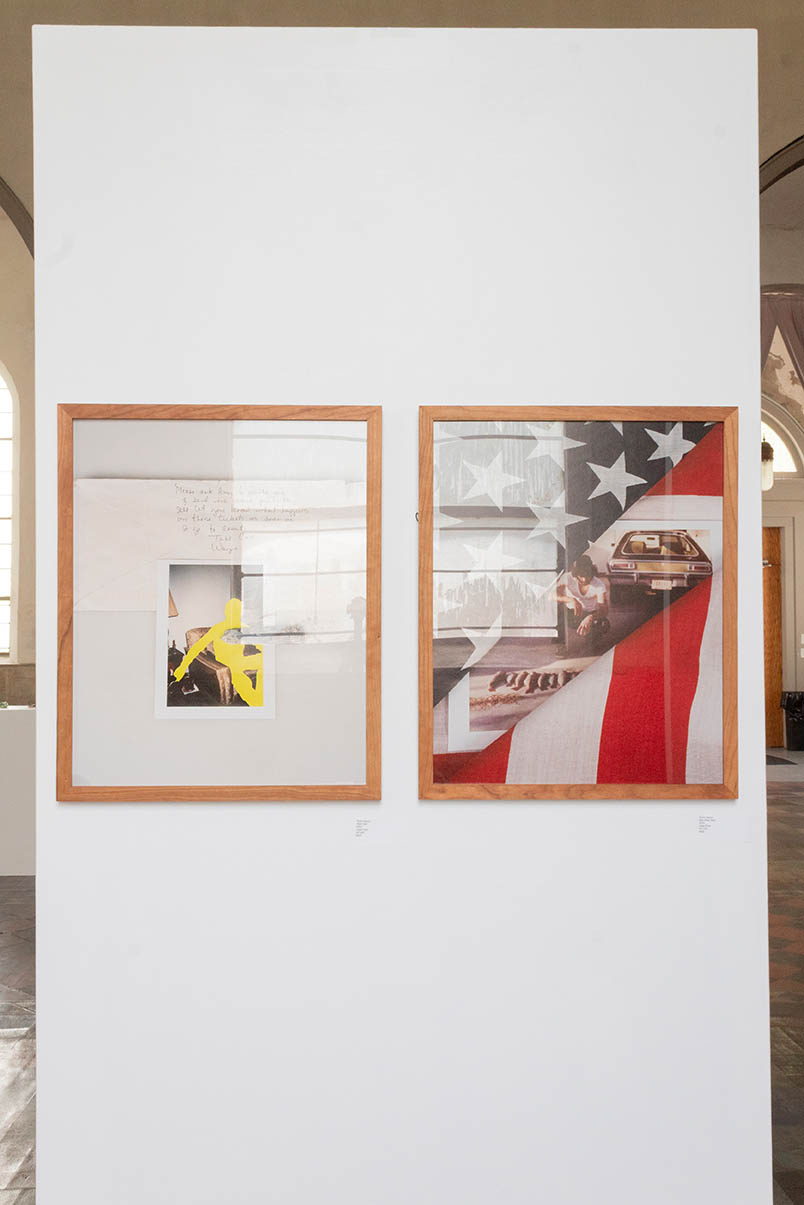
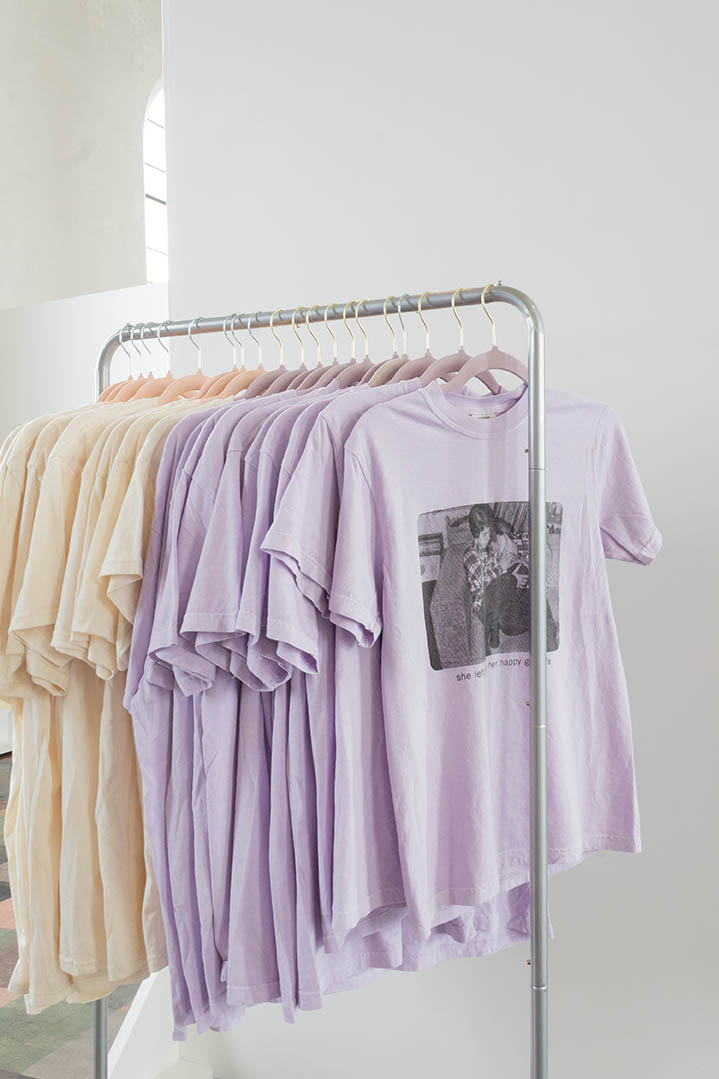
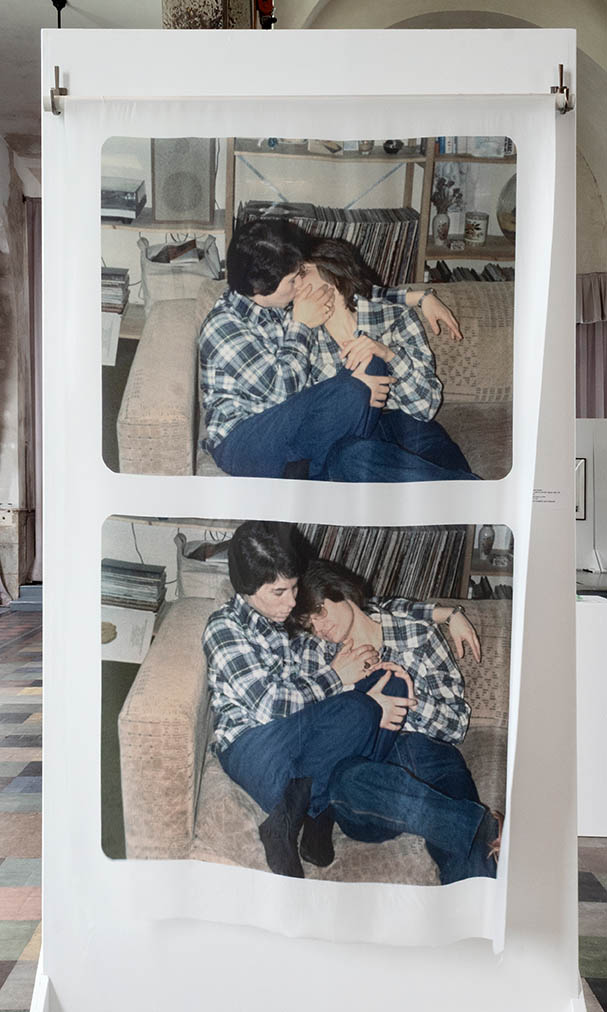
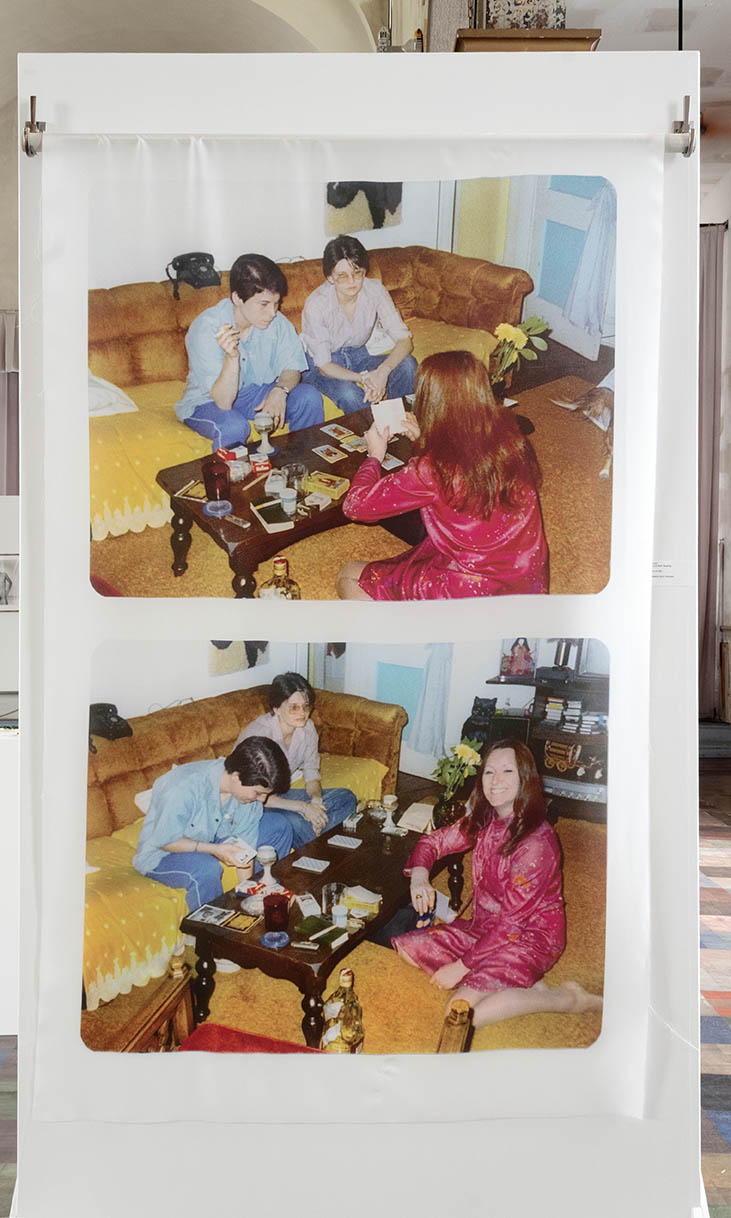
“I was born in Cajun country with the expectation that I would uphold the structures my predecessors created: patriotism, toxic masculinity, unhealthy relationships, and substance abuse. As the last to pass on our name, I insist on deconstructing them. Archival images allow me to examine family dynamics, secrets, and expectations By manipulating these images, I expose the generational influence my parents, grandparents, and their ancestors have left for me to navigate. Through intentional disruption, I decide what ends with me and what I choose to carry forward. To heal generational trauma, I’ve restructured the traditional family photo album into a queer collection that challenges inherited norms. In doing so, I honor those who have resisted before me and insist on healing what has fallen into my hands.”
Josiah Gagosian

Josiah Gagosian

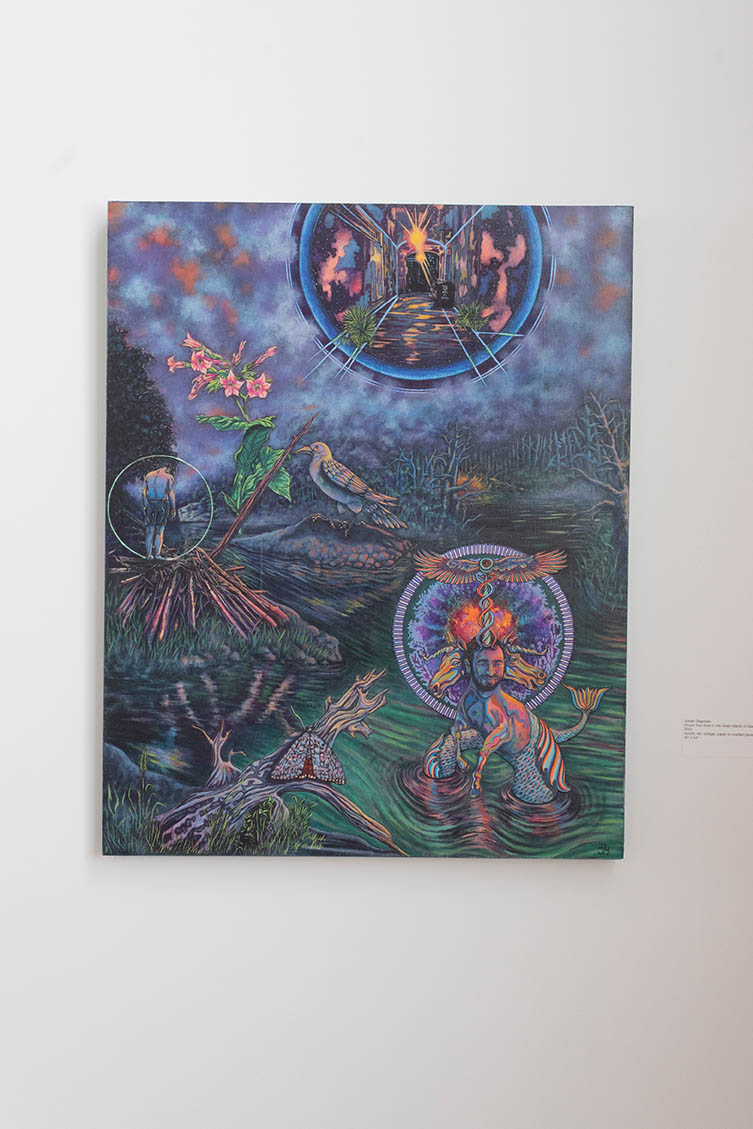
“As an artist working with a variety of media, my creative practice has become the outward expression of an ongoing, often inward-facing, process of psychological and philosophical exploration, evolution, and engagement. I am interested in themes of ancestry, identity, history, mythos, gender and sexuality, and the interconnectedness of natural and human environments. To this end, I make complex, multi-faceted works in a variety of media from acrylic, ink, watercolor, and gouache, to collage and sculpture.
Much of my work over the past decade has centered around explorations of my own ancestry through genealogy, studies of Armenian, Spanish, and English literature, and readings in history, mythology, philosophy, and anthropology. I am particularly fascinated by the ways that disparate places converge in the experiences and memories of immigrants, and the complex patchwork of intersectional legacies they leave to their descendants who often find themselves belonging nowhere and everywhere simultaneously. As a gay man of mixed heritage, I operate from a deeply personal nexus of integrated fragments and seek through my work to connect my sense of self with something larger than nations, borders, ideologies, or identities. The deeper I delve into what is unique and divided in me, the more I encounter the contradictions and illusory boundaries of definition. This paradoxical space is where I believe the work begins to have an impact beyond my individual history and material aspirations.”
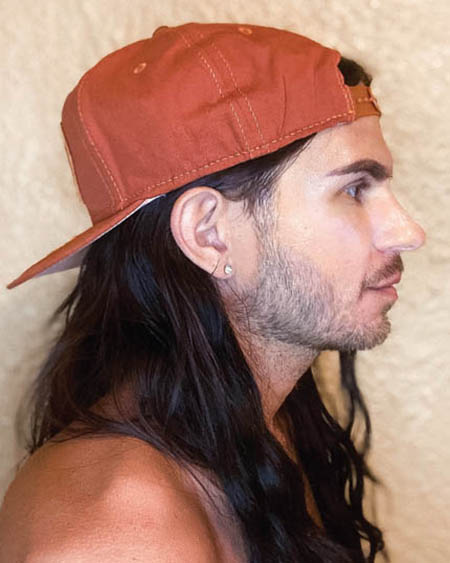
Bobby White

Bobby White

He / They

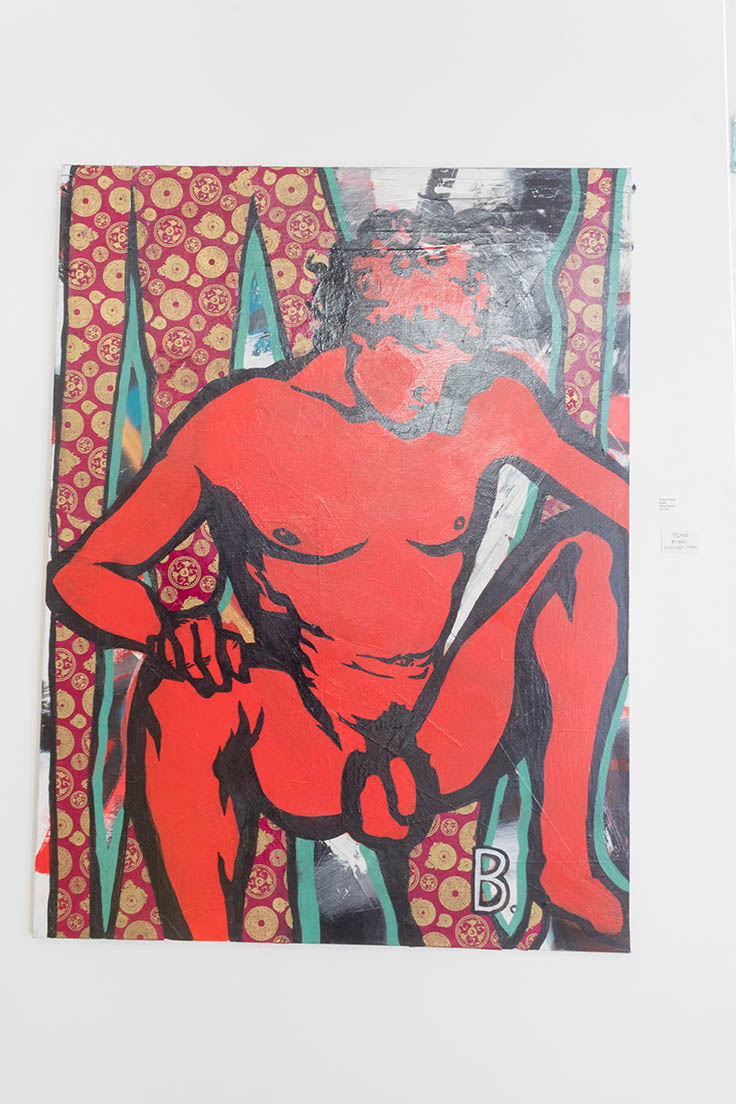
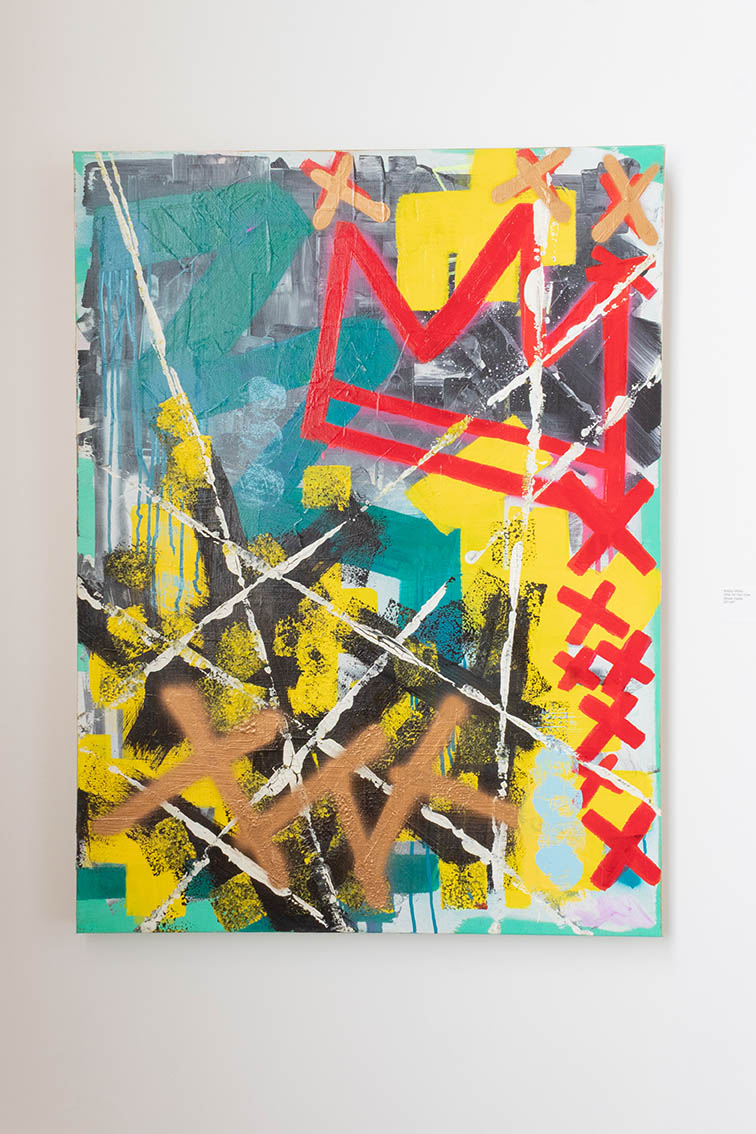
“I am a local artist known for using vibrant color to produce expressive paintings. I discovered my passion for art at a young age. I used to spend every afternoon sketching and painting as a child and that has continued into adulthood. My love for art was nurtured by my grandmother and mom. It was my mom that always encouraged me to explore different styles and mediums.”
Kristi Knipe

Kristi Knipe

She / They

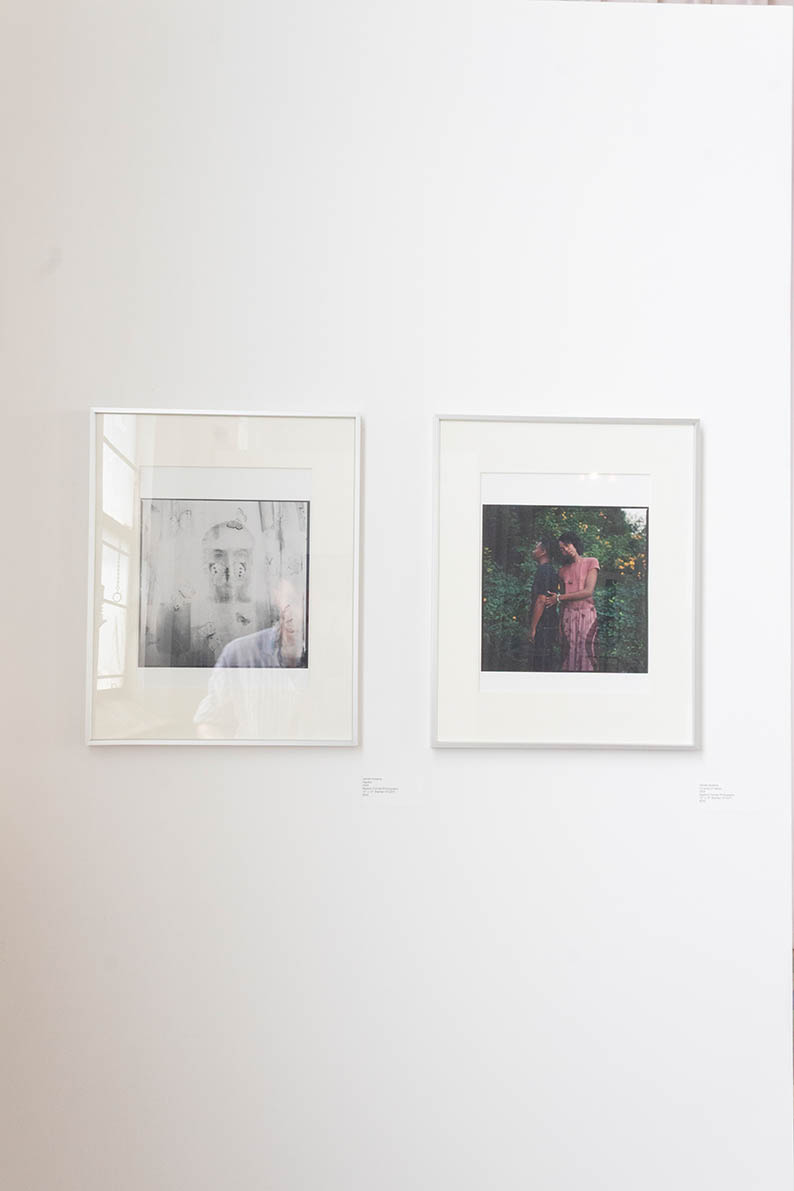
“Born in Allentown, Pennsylvania, Kristina Knipe is an artist and educator who makes their home between Brooklyn and New Orleans. Working collaboratively, Knipe explores what a photograph is and does—and creates narratives of hope, desire, and grief. Her work has been exhibited at numerous collective artist-run spaces in New Orleans, Louisiana as well as SF Camerawork, Blue Sky Oregon Center for the Photographic Arts, and the Copenhagen Photo Festival. She earned her BFA at NYU Tisch School of the Arts in 2012 and her MFA from Tulane University in 2016 and in 2023 she attended the Skowhegan School of Painting and Sculpture. Knipe has received numerous awards, including the Film Photo Award and a Clarence John Laughlin Award.”
Dr. Liz Johnston-Dupre

Dr. Liz Johnston-Dupre

He / She

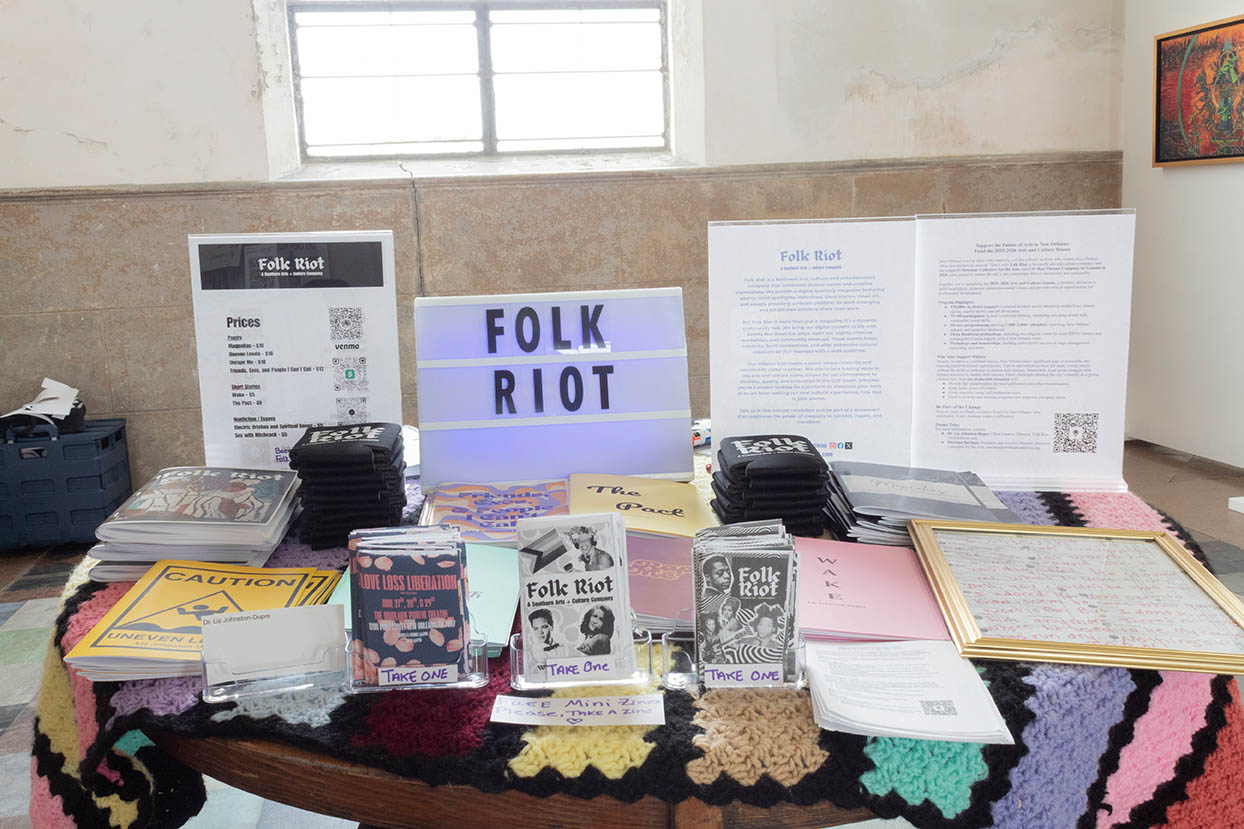
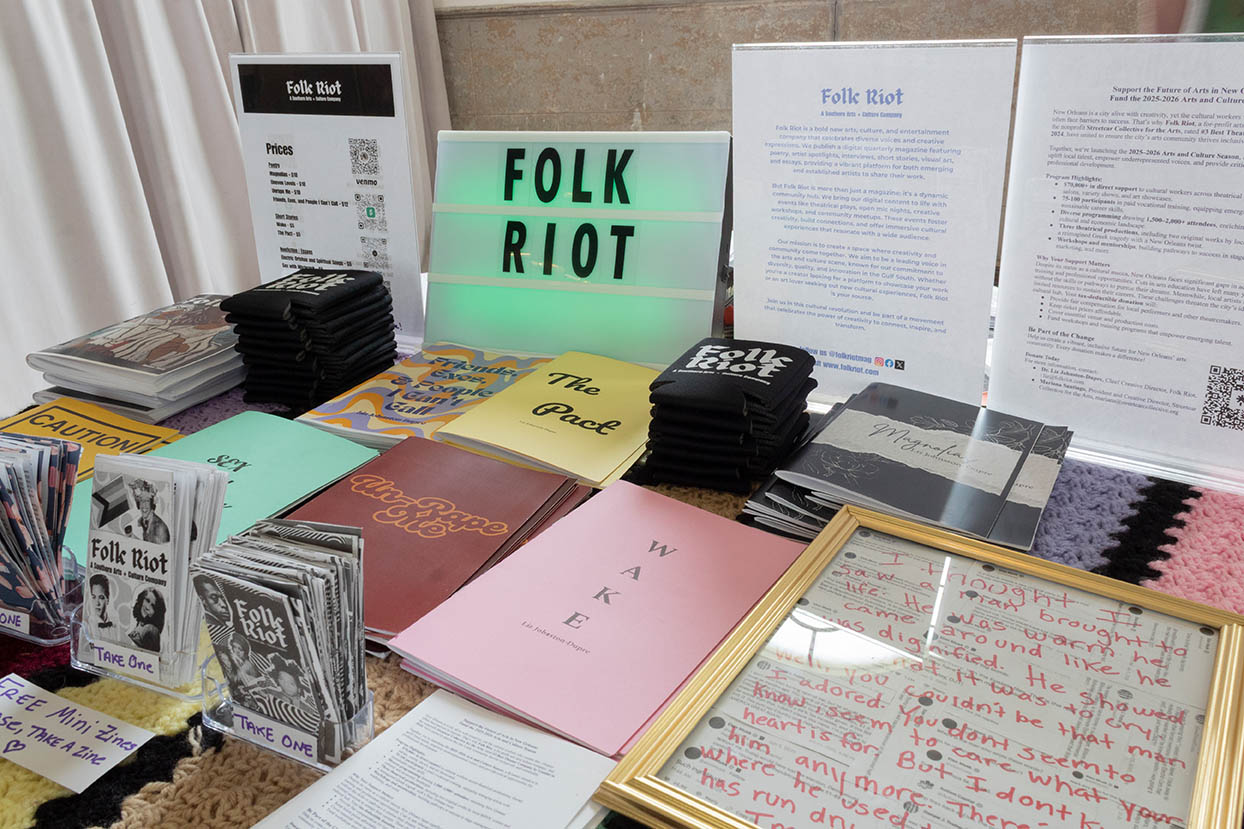
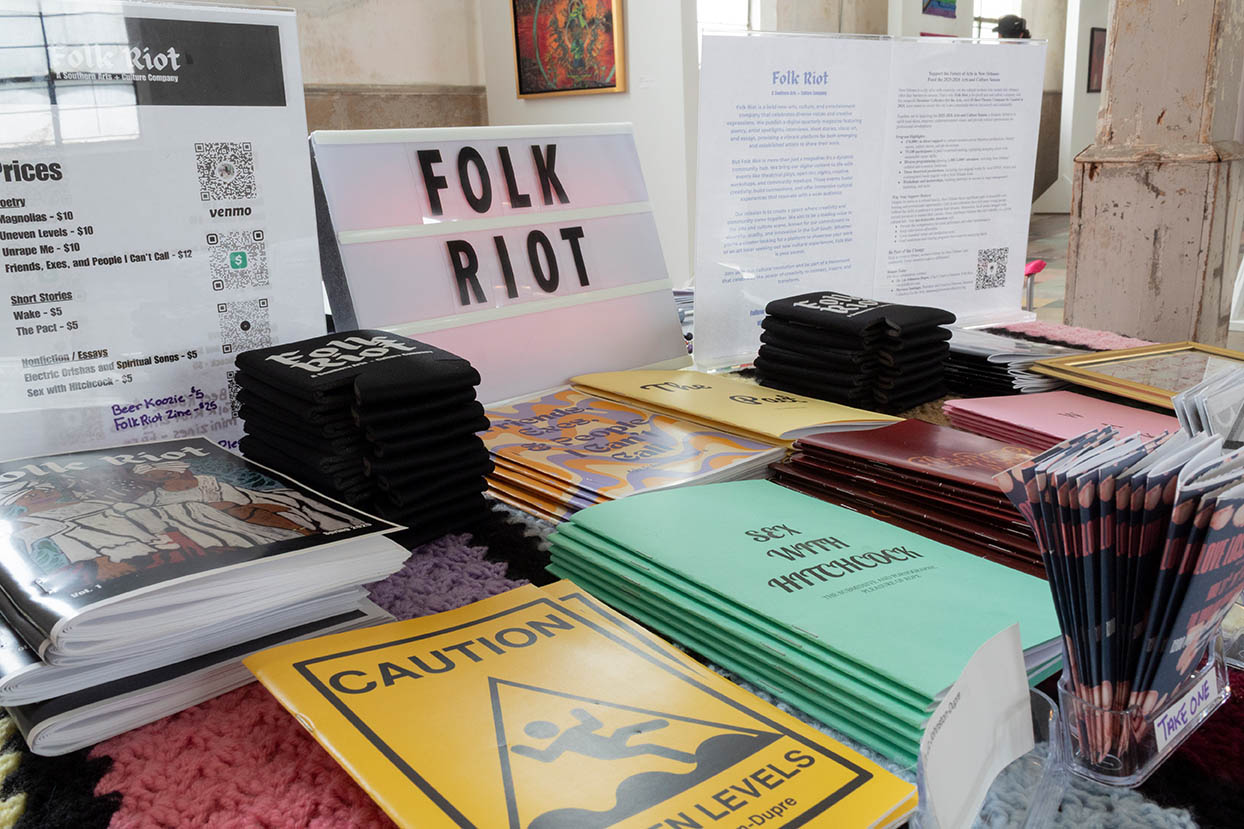
Dr. Liz Johnston-Dupre is a folklorist, fundraiser, zine maker, and proud queer Creole from New Orleans, LA. With a passion for the arts, preservation, culture bearing, and advocating for self publishing/disseminating information– Liz is the Chief Creative Officer and Founder of Folk Riot. Folk Riot is a southern arts and culture company consisting of a digital arts magazine that people can subscribe to and live events such as open mics, plays, workshops, and more that people can attend.
Jaime Cantrell

Jaime Cantrell

She / Her

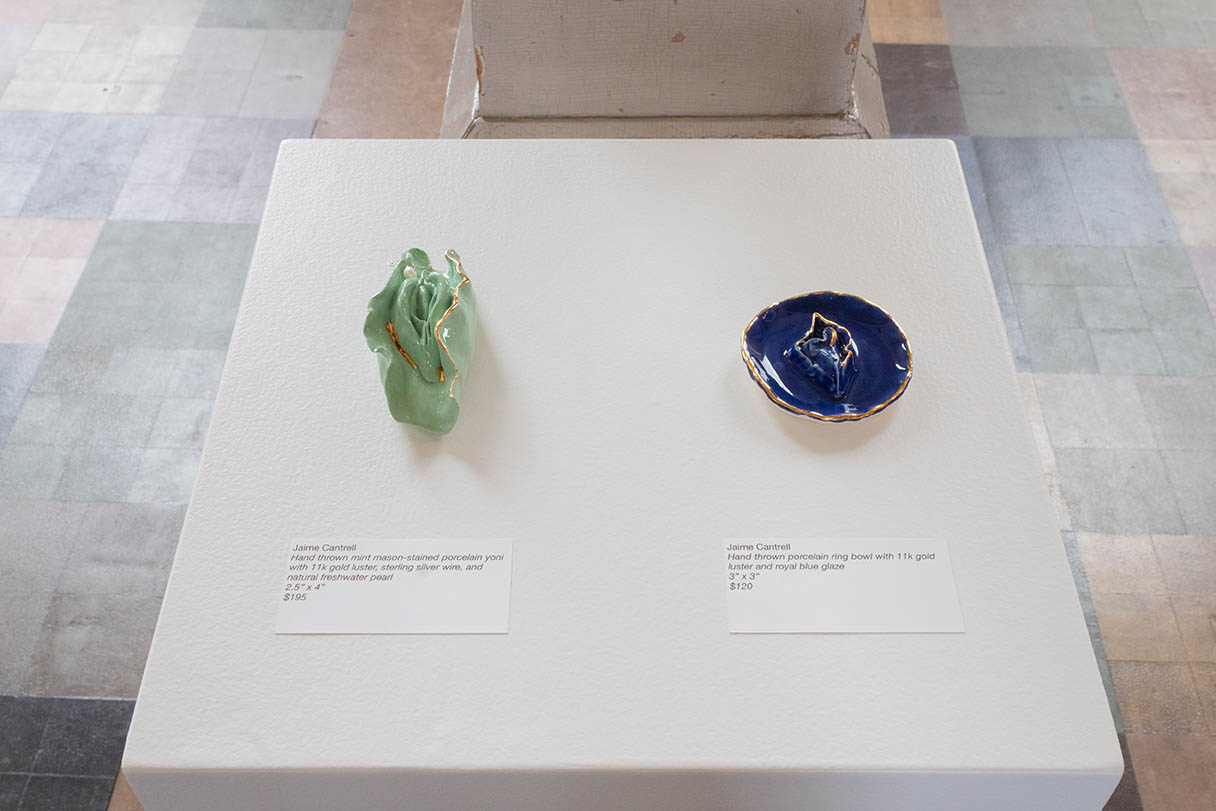
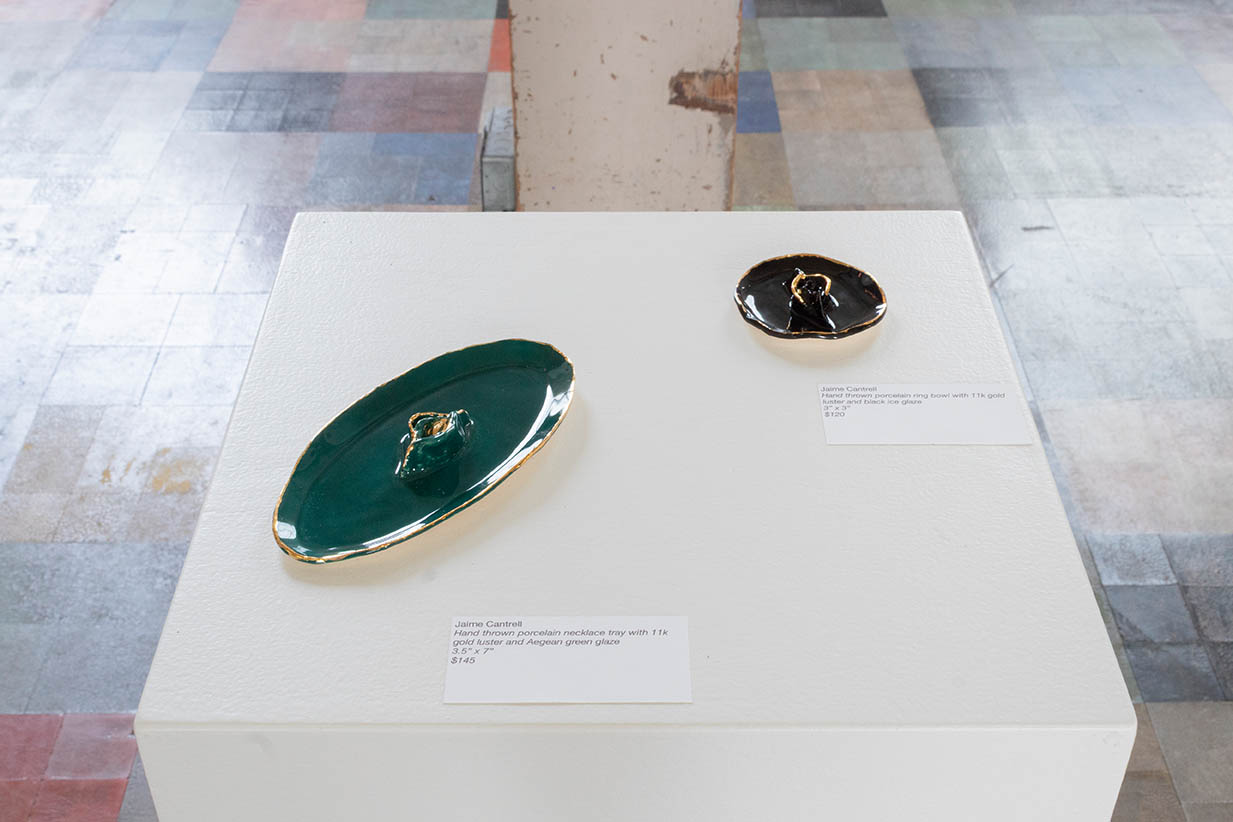
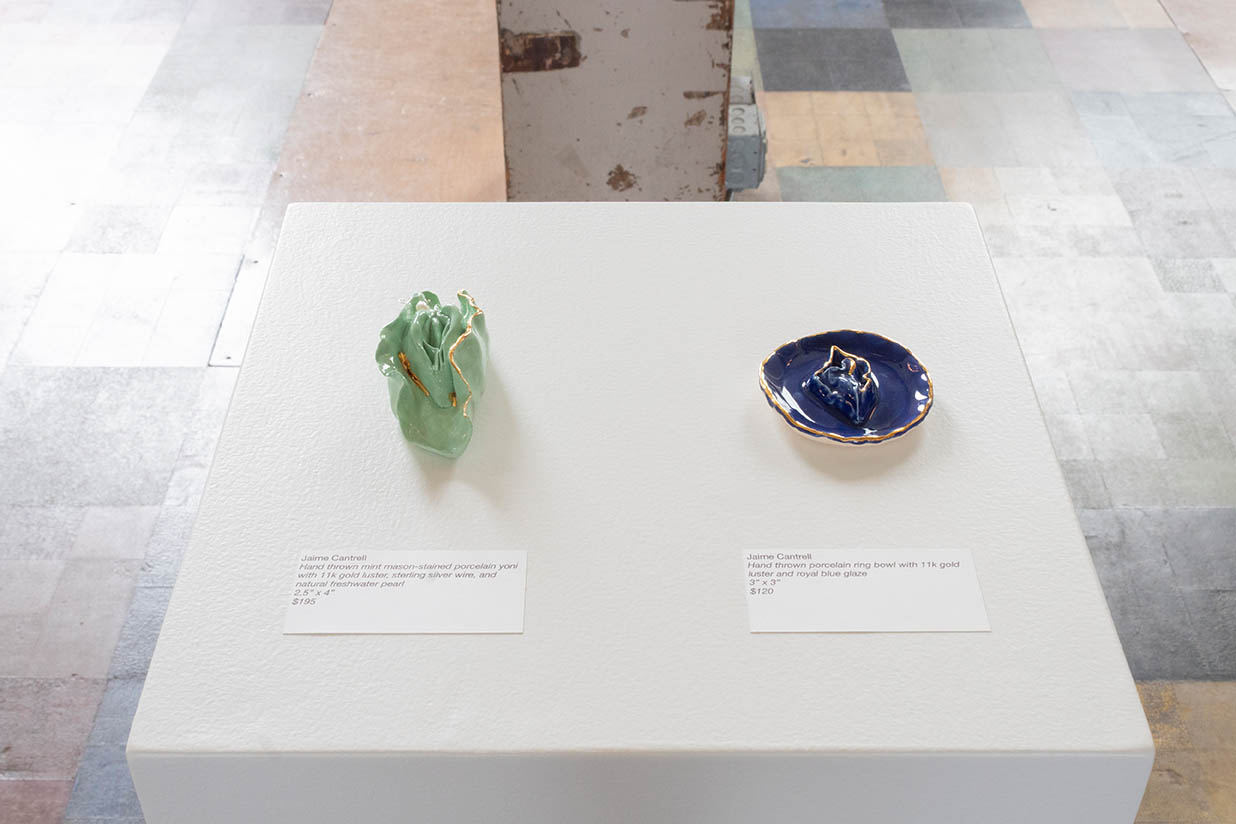
Jaime Cantrell is a garden growin’, TNR’n, cold brew sippin’, music festin’, mouthy friend o’Dorothy. By day, she’s a tenured college professor; by weekend, an artist-activist and former abortion clinic escort at Hope Medical Group for Women. Fueled by anger in October of 2021, she began hand building clay and porcelain yoni ceramics as a cathartic response to her rage surrounding TX SB8 and the then-ongoing challenges to Roe v Wade. Her art celebrates the right to bodily autonomy and seeks to bring awareness to reproductive justice advocacy efforts across the state. Since 2021, her creative work has been featured in the lesbian-feminist magazine, SINISTER WISDOM, and can be found at Boxcar Contemporary Gallery. Her creative process involves carefully mason staining porcelain pieces with rich pigments before trimming their delicate folds in gold luster. This technique allows a through-body color to pigment the entire porcelain piece, offering a unique and intricate aesthetic.
Vernell Dunams

Vernell Dunams

He / She

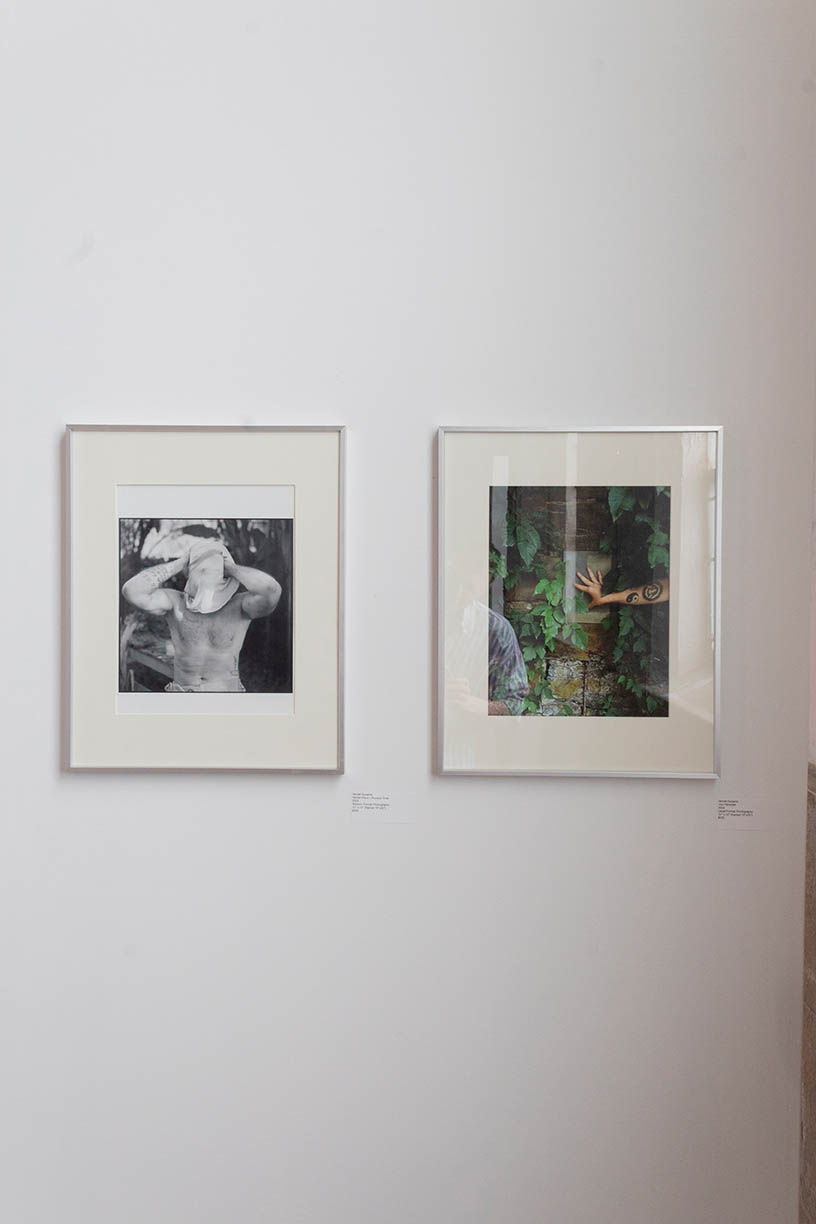
“Nathaniel Hawthorne wrote, ‘The founders of a new colony, whatever Utopia of human virtue and happiness they might originally project, have invariably recognized it among their earliest practical necessities to allot a portion of the virgin soil as a cemetery, and another portion as the site of a prison.’ No matter how optimistic we are, queerness is a space we build as queer people. We are not children of a queer utopia but merely builders reconstructing a space that has existed throughout time: weathering decay and destruction. It is a site without place because it may be that the place is a mental utopia shared amongst us all In the beginning our entrance to this place is all the same: we discover a prison that censors and the place to bury the limits of our expression. Maybe the closet is the first prison? Maybe if we are lucky enough the house is our first prison. Maybe the bathhouse or the drag show every Saturday is the limit that contains us. The extremities mark a line in soil in which we do not cross, but if lucky enough we mark the perimeter of those extremities. No different than Antonio Gades dancing the most beautiful flamenco within a literal and figurative bubble during the Franco reign, we dance within our perimeter. We play a role within a script guided by us in a time and place of which only we can see.”
Ryne Stoned

Ryne Stoned

He / Him

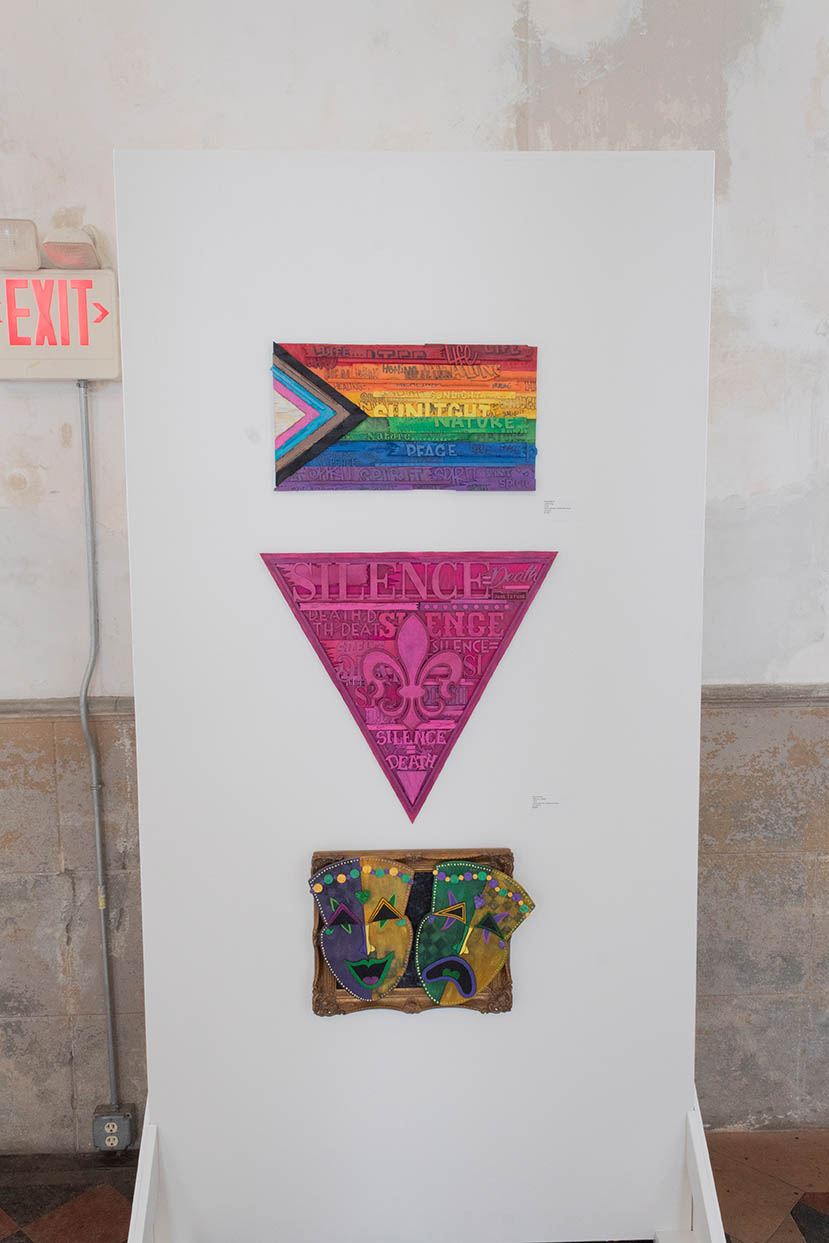
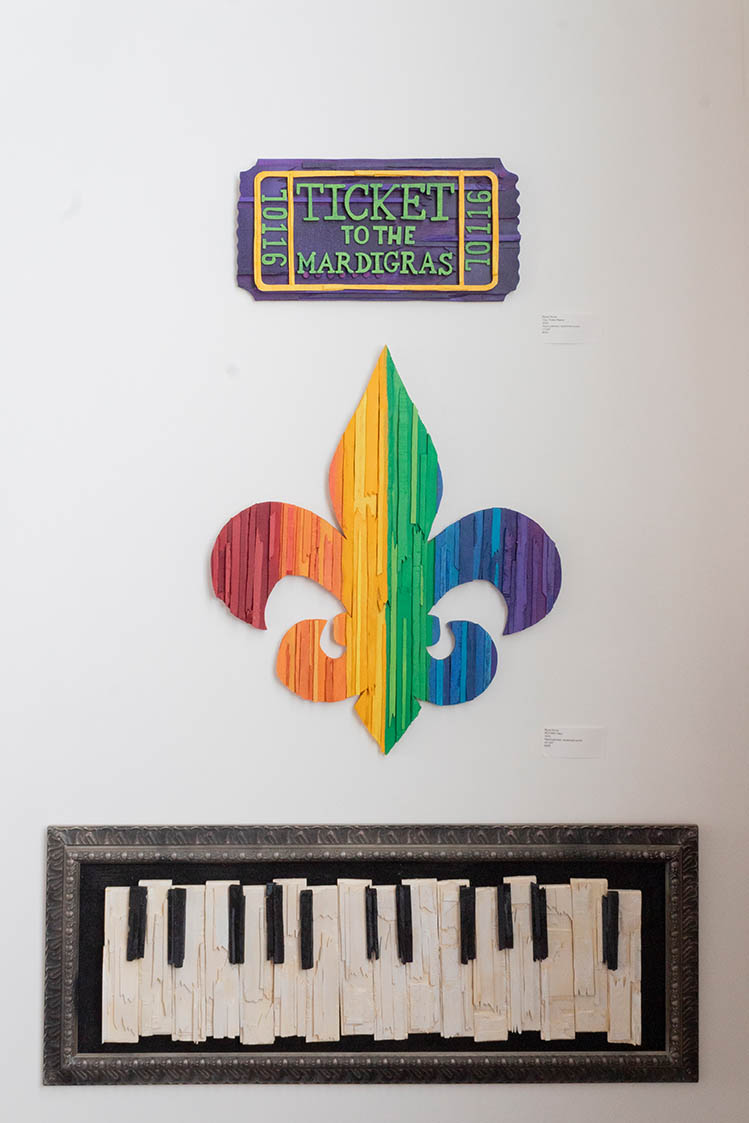
“My name is Ryne Stoned, and I’m born and raised in Louisiana. I’ve been making various forms of art for over 15 years now, ranging from painting, collage, graffiti, production murals, sculptures, etc. Currently, my main focus has been producing 3D signs and art from reclaimed wood.”
Romy Thompson

Romy Thompson

She / Her

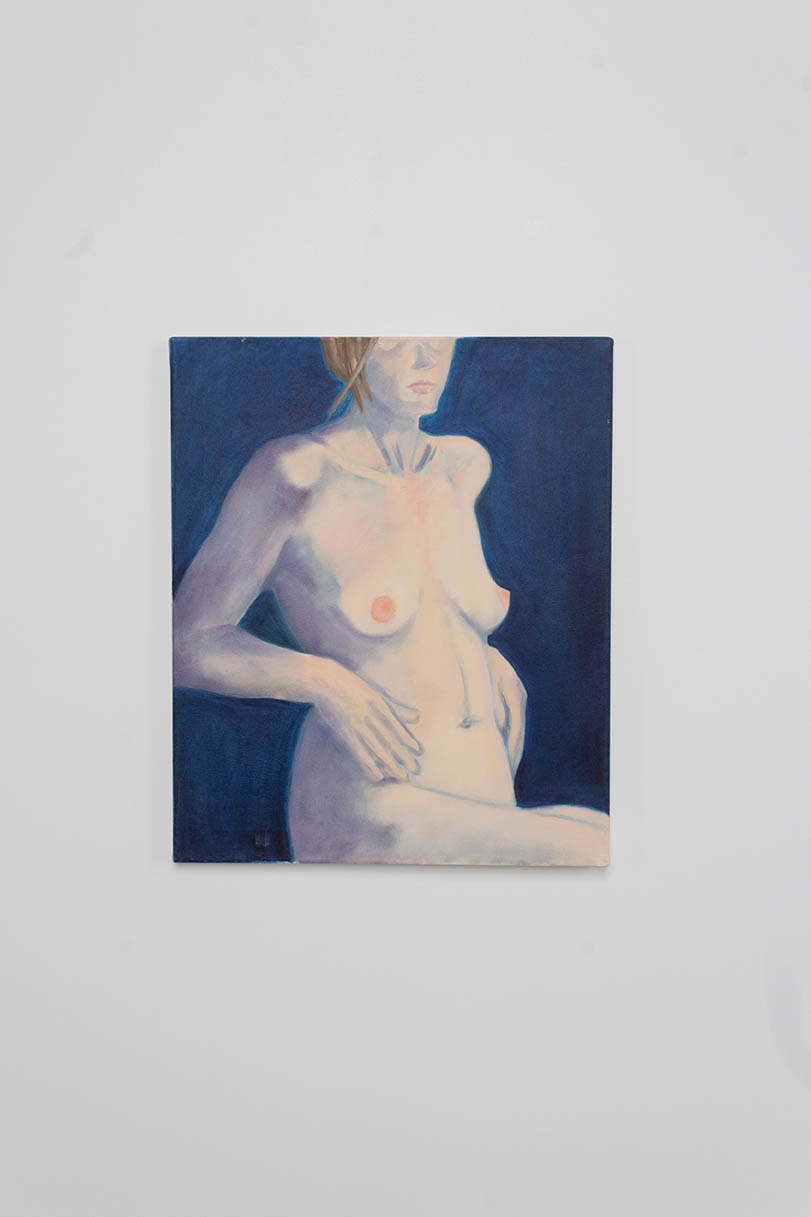
“I grew up in the Central Valley and Sierra Nevada mountains of California. Art has always been an integral part of my life. My paternal grandmother and maternal uncle supported and encouraged my artistic endeavors as a child and young adult. I studied art and art history throughout school and undergraduate studies. At 17 years old, I won the Catholic Daughters of America first place regionally, first place in state, and second place nationally for my abstract piece, Friends and Family. My interest in visual art mediums has been broad ranging from watercolor, charcoal, pastels, pen and ink, acrylic, found object sculpture, and photography. I found a renewed, artistic passion in oil painting while attending graduate school at Loyola University New Orleans.
Currently, I create art from my lesbian, feminist perspective with an emphasis on the innate power of women and the beauty and strength of the female form, juxtaposed with the impact of American popular culture and politics on all women. “
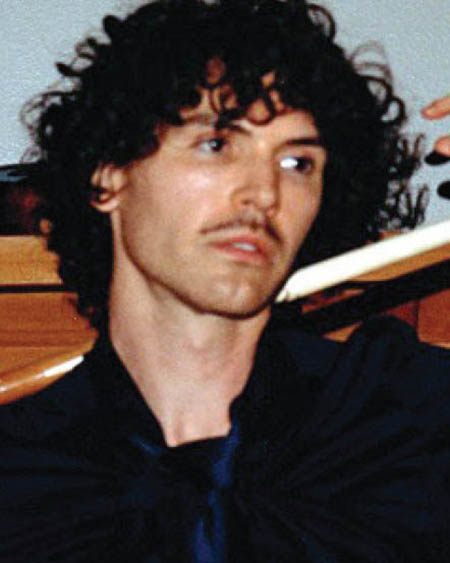
Colin Roberson

Colin Roberson

“Colin Roberson, native american, native Louisianan. Born on an eclipse, in the year of the dragon.” [sic]
Saturday, June 7, 6:00—7:30pm
(Marigny Opera House, 725 St. Ferdinand St.)

Panel Discussion: Historical Perspectives on Louisiana Queer Art

This discussion promises to be a fascinating exploration of the history of queer art in Louisiana. Panelists include Arthur Roger, Meg Turner, and David Campbell.
Sunday, June 8, 1:00pm—3:00pm
(Broad Theatre, 636 N. Broad St.)

Sneak peeks of queer films currently in production

Three dynamic filmmakers will be on-hand to introduce their current works and show clips. Films include: Valda Lewis’s documentary From Where We Stood: AIDS and the Culture Wars, Joey Gray’s The Last Sunday in June (a feature film inspired by the Up Stairs Lounge fire), and Lasse Lau and Flo Maak’s documentary film Bachelors Only on Dixie’s Bar of Music.
Individual

$100

  • Your name will be listed as a supporter on printed materials,in the pre-event onscreen loop,and on a poster at the event headquarters.
  • One VIP pass to all panel discussions and opening reception at the Dodwell House.
Business

$500

  • Your name will be listed as a supporter on printed materials,in the pre-event onscreen loop,and on a poster at the event headquarters.
  • Two VIP passes to all panel discussions and opening reception at the Dodwell House.
Premium

$1500

  • Your name will be listed as a supporter on printed materials,in the pre-event onscreen loop,and on a poster at the event headquarters.
  • Four VIP passes to all panel discussions and opening reception at the Dodwell House.
Premier

$5000+

  • All of the above, plus custom crafted number of passes to all panel discussions, tickets to the opening reception at the Dodwell House.
  • Custom slide and poster recognition at all events.
  • Speaking slot at opening reception and panel conference welcome, Custom
    package of website and social media acknowledgement.

For more information contact:
Frank Perez, Executive Director

About the LGBT+ Archives Project of Louisiana

Our mission is promoting and encouraging the protection and preservation of materials that chronicle the culture and history of the Lesbian, Gay, Bisexual and Transgender community in Louisiana.

We do this in a number of ways—planning public programming, maintaining a robust website, recording oral histories, educating the public, consulting with researchers, identifying and assessing collections, and placing collections and material in archival repositories, libraries, and museums across Louisiana.

The LGBT+ Archives Project of Louisiana has facilitated major collection donations to institutions around the state, including The Historic New Orleans Collection, the Louisiana State Museum, the Louisiana Research Collection at Tulane University, the Amistad Research Center, the Earl K. Long Library at the University of New Orleans, the Center for Louisiana Studies, the Special Collections at Louisiana State University, the T. Harry Williams Center for Oral History, and the Newcomb Archives and Vorhoff Collection. The Archives Project also serves as a resource for those researching LGBT+ history in Louisiana, including authors, documentary filmmakers, graduate students, artists, podcasters, and others.