
Oral History – Valda Lewis
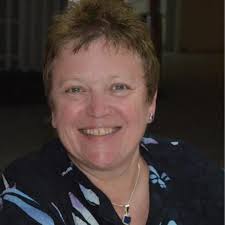
Valda Lewis was born on March 25, 1956, in Rochford, Essex, England. She graduated from high school (1975) and immigrated to New Orleans, Louisiana. After working odd jobs in New Orleans, she became a self-employed videographer and documentary filmmaker for the LGBT community. She co-created and produced a television show called “Just for the record,” which aired on Cox Cable public access channel. Lewis’s projects would often be PSA’s about LGBT issues and live interviews at conferences with prominent activists. Lewis eventually went on to earn her Bachelor of Arts in Communication (2000) and Women’s Studies (2000) with magna cum laude from Wichita State University. She also went on to earn her master’s in media studies (2002) from The New School in New York. She currently resides in Cleveland, Ohio, and is self-employed as a web designer for various businesses.
Interviewer: Mordecai Chapman
Transcriber: Mordecai Chapman
Session I
May 13, 2019
VALDA LEWIS: My pleasure.
CHAPMAN: First we’re going to start with a little bit of biographical data. So we’re going to go with when and where you were born.
LEWIS: So, I was born in a little town called Rochford in Essex, England. And then shortly thereafter, the family moved to Rayleigh. That’s where I grew up. It’s a little town. It’s a very old town, it’s in the Domesday Book printed in ten-eighty seven right after ten-sixty six and all that. Big commuter town, really. Most people went up to London. We were about 40 miles from London. And I went to school there and left . . . school was not my friend. So I left . . . I went through till I was about eighteen, nineteen. We’d do O-Levels at sixteen and then you could either leave or go on to do more, which I did. Then I kind of ran away to London. Escaped the home town and went to London. And I got a job with a record company called Island Records. Stayed there for about six years. So that was pretty exciting.
CHAPMAN: Speaking about the record business, what drew you to the record label?
LEWIS: [1:49] I was in a relationship with a guy who was in a band . . . I was in a band, for a while. I used to do a lot of singing and guitar playing before that and then joined this rock and roll band . . . you know my parents were just thrilled . . . did all of that kind of crazy, rebellious teenage stuff that I could do. It was the Thatcher era, unemployment was so high, you know. Everything was sort of falling apart, in a way. We went over two million unemployed . . . no, a million unemployed when I left. So there really wasn’t, prospect-wise, going on. And I hadn’t gone to university so I went to London. They had been talking to Island Records . . . the band . . . and I discovered they needed somebody in the post room, in the days where the mail was the only way of communicating anything that was written down. Started there and worked my way up to A&R. Would go out and look at bands, talk to bands and band management. Did a bit of tour, band tour, setting up the tours which was a lot of fun. Lot of stuff, you know. Every time you crossed the border you had to have an inventory of every last cable and microphone. [Responding to non-verbal gesture] Yeah, absolutely, it was gordo. Something [?], everybody just hated them. They’d have to go up to Berlin through the passage there. It was before the wall came down and that was everybody’s . . . you know, Checkpoint Charlie, was just horrendous. A lot of fun, I worked with a lot of bands, mainly began to work a lot with the bands from Jamaica. The island was . . . Bob Marley being the obvious one, but we had [Gray Stones?] and Burning Spear and a lot of different bands like that. So I really liked working with the dreads. [Laughter].
CHAPMAN: Yeah, right.
LEWIS: It was a lot of fun. And we had an in-house . . . we had a recording studio, so I would hang out down there. I really did . . . I lived to tell the tale, I should say. It was fun, Virgin Records had just started up, I worked there for about six months. Richard Branson . . . that was a an whole other trip, too. But when I realized I was gay, I was having a lot of problems.
CHAPMAN: And that was while you were still in London?
LEWIS: [4:29] That was while I was still in London. So, I knew that I was never not going to be gay, it was like suddenly the world started making sense. I think one of the advantages, one of the gifts of being gay, is that when you’re on the out, when you’re not in the middle of the normal life, you’re on the outside. You develop these critical thinking skills: you’re always looking in. But, of course, once you come to the realization that there’s been this lie going on, you start to question everything else, too. I pretty much felt in turmoil about it, terrified of telling anybody beyond my immediate circle and sometimes not even then. I was given the opportunity to come to America. I think my generation, we were always, “Oh yeah, let’s go to the States.” My sister’s kids, that generation, they’ve all done their stint in Australia. But for me, it was America. And I had come once before, so I was thinking, “Well, should I take up this offer?” And someone said, “Well, if you don’t go, you’ll always wonder and if you do go, and you don’t like it, you can always just come right back.” So I got the opportunity to come here to New Orleans and just sort of settled in. Just thought, you know, “I’m just going to go there, I’m going to be a lesbian, nobody knows me and let’s see what happens.”
CHAPMAN: A fresh start.
LEWIS: A fresh start, yeah.
CHAPMAN: Now, going back to the old start . . . a little more biographical data about your parents and your grandparents, if you have it.
LEWIS: [6:16] Okay, so I’m one of four daughters. I’m the third. My mother is from Wales . . .
CHAPMAN: And what’s her name?
LEWIS: Her name is Dorothy and my father was Peter, Peter Lewis. He was self-employed. He was one of those people who found it difficult to work for somebody else which is where I think I get it from. And he worked locally. He was a big name locally and always organizing something or doing goofy things. He was a great MC for meetings and stuff, he was the kind of guy that he could walk in the room and you wouldn’t have to see him to know he was in the room.
CHAPMAN: You could feel him.
LEWIS: He would just fill the room. Larger than life. And he got . . . I think it was cancer of the bladder which was misdiagnosed to the point that when they did find out, it was too late. It was very sad. He was like sixty-eight when he died.
CHAPMAN: What kind of schooling did they get?
LEWIS: I think dad left school at fifteen, my mother matriculated. That’s what they called it back then. She got her high school diploma and she was working in the fire service . . .
CHAPMAN: Your mother?
LEWIS: Yeah. And then after the war, she got the opportunity to go out to Berlin and was . . . and this was something she didn’t . . . I thought she had just gone out there with the fire service, I didn’t know what she was doing. But it turns out that she was working with the government to try and stop the black market operations that were going on. I mean, not just silk stockings for cigarettes, but the big stuff and I think she probably signed some kind official secret [tag?], because she was almost ninety before she told us that she had been doing this. I felt like she was one of the Bletchley girls or something. [Laughter]. I mean, I was like, “You did what?!”
CHAPMAN: [8:44] Was she very stoic about herself, like kept to herself mostly?
LEWIS: Yeah, yeah. I mean, she died recently and yeah. I don’t want to go into the psychology, but I’d say that me and my sisters grew up, probably practically feral. She fed us and we had clothes on our back, but she wasn’t the stereotypical mother. We were always very self-motivated and always sort of did our thing. She died about a year and a half ago now at ninety-three.
CHAPMAN: I’m sure. With the way you were describing your childhood, you were eating raw meat and everything, you know? [Laughter].
LEWIS: Exactly!
CHAPMAN: Do you know how they met?
LEWIS: Yes, they . . . my mother was in South Wales . . . her mother was still living there, and her aunt lived in London then moved to Rayleigh in Essex and so my mother would apparently spend her summers there. And my father met her through like her cousin, he was invited to the house and there was my mother. He’d always tell the story about how he didn’t stop staring at her the entire time, I think she was only like seventeen and then they got engaged. And then when she got the opportunity to go out to Germany, she broke it off. He apparently was bed-ridden for three months over this whole thing. But I think she came back from Germany because her father had gotten ill and by the time she got back, he had died and she, with her mother being alone, I think that she just . . . I think that it was a big decision, really. Changed her life that she came back. Because I think she was well on her way to having a career. Women had to give up different things and I guess she thought she may as well toe the line, and got married and then had four kids.
CHAPMAN: [11:07] Right. That’s a big jump from spying to . . .
LEWIS: It is! [Laughter].
CHAPMAN: And mentioning her mother, do you have your grandparents’ names?
LEWIS: Yes, her mother was [Gladys Player?] and her father’s name was Harold.
CHAPMAN: And what about your father’s?
LEWIS: [11:33] So, his father’s name was . . . they called him Jack, but he was actually Morris Joseph. The lineage comes from Austrian Jews coming I think before the first world war, to London’s East End, which was typically where cultural migration, like back in the sixties and seventies began, Asian people were taking over that section, but very Jewish in the London’s East End. But his father changed the name from [Tenenbaum?] to Lewis. There were a lot of Levis to Lewis. And his father never talked about it. He was the Chief Air Raid Warden during the war and prominent member of the Masons in the town that they were and I don’t think he would have been able to do any of that had he . . .
CHAPMAN: Been open with that history?
LEWIS: Right, yeah. Lot of funny stories of grandad. He was crazy. We used to go over there on Saturday afternoons and my grandmother had been in a wheelchair since she was like forty, I think it was. Think she had MS. So we’d have a stultifying Saturday afternoons in this sort of little room watching the boxing on the TV waiting for Doctor Who to come on and he had an Auntie Betty, his sister. So there is probably a whole book I could write about his side of the family, totally eccentric.
CHAPMAN: Hey, look. You got to come from somewhere, you know?
LEWIS: Right, you have to understand why you are the way you are. And I think that genetics plays quite a role as well as your environment you grew up in. I’ve definitely inherited stuff from my father’s side. I have my mother’s build so I’m constantly watching my weight.
CHAPMAN: I try to watch my weight, but with the ADHD I don’t really remember . . .
LEWIS: [13:49] Yeah, I know. You kind of remember in the moment. While talking about ADHD, I used to joke that I had ADHD when I was a kid because school was just horrendous. I didn’t even understand why I was going to school. Then it turned out that I had a very high IQ, so when they found that out, it only made things worse because it was like, “Well, see, you can do it.” It was always, “Can do better, must try harder,” that kind of stuff. It just makes you crazy so. When I went through menopause, I started to think I was getting some kind of dementia and my partner Dorothy said, “I know you joke about having ADHD when you were a kid, but I’ve done some reading and it doesn’t really go away and I think you should go get tested.” So I did. I had to come to terms with the fact that we don’t . . . ADHD means that you don’t see the world quite the same way that, what they call neuro-normals is the phrase . . .
CHAPMAN: Yeah, neurotypicals.
LEWIS: Neurotypicals. Where your concept of time is something that you’ll never understand, right? And the impulsivity and the super focus and then you get the whole, “All these great people have it.” So, you know, I had to deal with that too. I’d have somebody kind of put their hand on my knee in a meeting if I was getting a little too sidetracked or overzealous about something. But if I didn’t have that, I’d get into trouble, so. That’s something that later in life, I’ve learn to deal with, but I don’t think that’s something that I could’ve done . . . the video I did . . . if I hadn’t been untypically brain-wired or something. I think it definitely . . .
CHAPMAN: No, I think you have to be a touch of crazy to do good things.
LEWIS: [16:04] I think you’re right. Just till you’ve . . . because it’s so hard sometimes just thinking inside the box, you’re always thinking of something that’s totally out there. Then trying to convince other people that it’s a great idea, that whole entrepreneurial thing, hits in and you can be like a dog with a bone. Somebody can talk to you till they’re blue in the face and you’ll still tell them it’s a good idea. [Laughter]. I try to embrace it and enjoy it and other times I’m a little down about it but it is what it is.
CHAPMAN: It comes with being different, yeah. We got to the part . . . so, you were at the record label and you had the opportunity to come here to the States and so you came. You were like fresh new start, going to be my big gay self . . .
LEWIS: Big, gay self. That’s right. Yeah.
CHAPMAN: . . . And just live it out.
LEWIS: That’s exactly right, yeah.
CHAPMAN: So when you first moved here, where did you live?
LEWIS: I was actually living out in Metairie. We were babysitting a seven or eight year old for a few months then I moved to [Governor Nicholl’s Block Inn?] off Rampart, right? Is it Rampart?
CHAPMAN: [17:24] Maybe, I’m not as familiar as you.
LEWIS: Okay, so we moved just outside the French Quarter, just north of the French Quarter and I got . . . we were importing British New Wave records and clothes in a shop in the French Quarter. Then my relationship ended after about a year and a half and I was bartending, I got a job bartending . . .
CHAPMAN: And was that with the man in a band? [Responding to non-verbal gesture; Valda shaking head no while grinning] Okay, it was with a woman you had met?
LEWIS: Right. So I was asked if I would bartend and I said, “Oh, yeah, I’m sure I can do that.” It was a little bar called The Levee and it was on Toulouse [St.] and they met me there at eleven o’clock in the morning and they showed me how to pour beer at the tap; you have to pull it forward all the way, no half measures. Then how to make a Kamikaze for four. Then they said, “We’ll be back at six,” and left.
CHAPMAN: So they just gave you hands on the wheel.
LEWIS: Yeah, just do it, right. So that was fun. I would say out of all the jobs I had, bartending is really fun. So I started there, then I worked at a British pub, Rigby’s British Pub on St. Peters I think. I would do the day shift there and then I would go to the Cookie Nest, a lesbian bar, and do the six to two shift there. Lots of energy, lots to do. Just was having a whale of a time. Absolutely enjoying every last moment of it, going to drag shows, just being in this sort of gay ghetto if you like. That was my world and I just loved it.
CHAPMAN: Yeah, one of the things I’ve learned is the importance of the bar scenes and how that affected New Orleans especially with gays and lesbians at the time and with crossdressers and drag queens and all them.
LEWIS: Right, there was a whole culture right there.
CHAPMAN: [19:50] So did you tap into that when you first came here, or did, just by proxy of you working at a bar, stumble into it?
LEWIS: Oh no, I tapped into it right away.
CHAPMAN: Okay, so what was your first lesbian bar that you went to when you were here?
LEWIS: The Soiled Dove Saloon on Rampart.
CHAPMAN: And what was that like? How’d you find out? Why’d you go?
LEWIS: I guess we just went. I was with people that already knew about it and that was the lesbian bar du jour. [Laughter]. I think it’s apartments now. Yeah, that and the Cookie’s Nest. I mean we would do the rounds.
CHAPMAN: You would go hopping?
LEWIS: [20:36] Yeah, we’d go bar hopping but we’d be in a car. But once I moved to the Quarter . . . I didn’t own a car, there was really no reason to have a car. So yeah, I hopped around, I went to Charlene’s . . . didn’t hang out at Charlene’s as much in the beginning, but I met Charlene and then . . . so, how much more of the prelim do you want?
CHAPMAN: Oh no, this is actually into the meat of . . .
LEWIS: This is good? [Laughter].
CHAPMAN: Yeah, yeah. Believe it or not. That was actually my next question, I was going to say . . . who was Charlene and how did you meet her and what was her importance that you felt?
LEWIS: Okay. Charlene Schneider had Charlene’s on . . . Elysian Fields, right? It was right around the corner from the Cookie’s Nest and then across the street was The Phoenix, which was the gay men’s bar . . . lovely people that ran that, too. They weren’t . . . I mean, Charlene’s was really mainly women, very few men would go in there. The Phoenix was a little bit more mixed, was considered a gay bar. So we would go there, we would go to Charlene’s. Charlene had the oldest lesbian bar in New Orleans and they had . . . she would tell stories like . . . there was a rule . . . first off, women could get arrested if they were wearing men’s pants. Like you couldn’t have a front zipper on your jeans. They could pull you over and arrest you for imitating a man or something stupid. So they had to have a couple of items of women’s things so that if the bar got raided . . . she used to joke there would be a couple of diesel dykes fighting over a handbag that didn’t belong to either of them. [Laughter]. So she got arrested . . . well, more than once . . . but it was in the paper, charged as ‘lude dancing.’ She was dancing with another woman. And her mother called and somebody had called her and said that she’d been arrested for ‘rude’ dancing. No, ‘nude’ dancing! Not lude, nude dancing. “I hear you got arrested for dancing naked! What are you going to do next?” “Mother, I wasn’t naked.” [Laughter]. Nude! That’s lovely.
CHAPMAN: [23:29] Was it also common to not carry licenses on you, so that way if they did book you, you were kind of . . .
LEWIS: Well, I don’t know. I actually didn’t even know I was supposed to have I.D. on me and then somebody told me and I’m like, “Oh my God,” so I must have taken my driver’s test or . . . I don’t even remember doing that. I don’t think there was much to it, actually. Not like in England where they really . . .
CHAPMAN: Can you shift the stick and can you turn the wheel, that’s about it.
LEWIS: [Laughter]. Right, that’s it. So I got a license and complied. I was horrified when I found that out, you know. So, Charlene was very politically active and involved in different things. The Cox Cable had . . . it was just at the eve of Cox Cable and she had been at the meetings and forums where they were supposed to provide . . . there was a gift-back to the city for getting the franchise to put the cable here. And part of that was that they would provide free services for people to make television and there was some of what they called, “Access-channels,” as well. Of course, they provided the bare minimum, so whatever equipment they didn’t want anymore would go. I remember we were doing a show one time and I leant back and everything was plugged into one plug and I leant back and I just tipped it out and we just went dark. It was like, “Oh my God.” We shoved it back in. We were probably dark . . . it felt like we were gone dark for four or five minutes, but it was probably like forty-five seconds. But it was that kind of setup that they had provided us with. I didn’t lean back again.
CHAPMAN: [25:19] Stayed still.
LEWIS: [Laughter]. I did.
CHAPMAN: So you mentioned that she organized people. How did she go about organizing? What was the sequence of the things that she’d do?
LEWIS: Right. I had just met her after she had come back from the March on Washington. No, I met her before then, so let me back up. So I was in a relationship at that time with [Loretta Mimms?] and Charlene called us and said you have to come to the City Council meeting because they’re going to be debating the passage of a Civil Rights ordinance that would add sexual orientation to the non-discrimination clause. So this would have been nineteen eighty-six. And I’m like, “Okay.” So we went and I had never been really politically active or anything and we go there and it’s like ten or eleven hours of testimony from people who were talking about just how awful the gay community was and we were all going to Hell and we were all trying to corrupt everybody and there was no way that they were going to employee anybody or rent to anybody that was gay. So all this was why sexual orientation was to not be added and I was totally amazed because I had thought that I had moved to this . . .
CHAPMAN: Gay utopia.
LEWIS: [26:52] Gay utopia! [Laughter]. Right. Thinking about all of the revenue that the gay people were bringing in and just this whole . . . I always think of this gay triangle: San Francisco, New York, and New Orleans. So, I was just blown away, I was like, “This is awful.” And I had been in promotion and my father had been in PR, so I’ve got a lot of that from him, so I thought, “Well, we need a better image. People just don’t know that we live our lives like everybody else,” and blah blah blah. So I read in the paper that you could, that the New Orleans Video Access Center were giving lessons on how to use a broadcast television camera and that there was a public access channel that if you made programs, you could put this on. So this is like one of these out-of-the-box moments. So I went down there and I took the class and I said, “Okay, we can make a program about LGBT stuff.”
CHAPMAN: And that was using Cox?
LEWIS: [28:08] Right. I said, “We need to do something that is for, by and about the LGBT community and we need to not worry about tempering it and catering it to anyone else. We don’t want to put on a ‘dog and pony show,’ we want to put on a worthwhile show that will sort of help the community to represent itself and we’ll go out and cover different events.” Then, of course, AIDS was really beginning to be a major issue. So that’s what we did. We encouraged people to represent themselves, so LAGPAC would send a representative and they would give their report. Ginger Berrigan soon came on board, she’s a judge somewhere now . . . she would do the report on the ACLU and what they were doing for gay rights. We had [Allan Robinson?] ran the Farbourg Marigny bookstore, gay bookstore and he would present what the latest books were. Give a little book review. And we had somebody, [Mindy Mireland?], who would come on. She was a therapist and she did a whole series on things like dating skills, emotional issues and problems that you might have in our community that don’t translate out there or even if they do, it would translate what happens in general to same-sex relationships. Dealing with grief, those kinds of things. And in those days, people’s attention spans would be like five to seven minutes. Now, it’s like five or seven seconds, it seems. So we do a segment about five or seven minutes long on each things and there was some sort of generic PSAs and we’d sort of break it up like that. Or we’d have PSAs for the AIDS walk or whatever was appropriate. Then we tied it all together, sometimes we’d have people in the studio or we’d just go tape them where they were. But you’d need a crew of three people back in the day, because three-quarter inch tapes portable machines took a twenty minute tape. And you’d have to have a ton of lighting. So we went to Lazarus House [Project Lazarus of New Orleans], which I think is still here, the AIDS hospice. And we kept blowing fuses and I just felt awful. I said, “Oh my God, somebody’s life support is going to get cut off because we just blew another fuse.” But it was a big undertaking to go out and film anything. But we did it. We had a lot of volunteers and everybody was on board with this. So we just started to produce, started with a half hour show. And Charlene was on the first one and she had just come back from the March on Washington with Johnny Jackson, who had been there. She had a lot of photographs that I shot so we could show that.
CHAPMAN: [31:31] So the general content of the show was to report and do some live-in person . . . well not live, but in person, candid type stories where you would report people going about their life and maybe talking about a specific topic?
LEWIS: Right, yes. There was some serious interviews and there would be something like the crawfish boil at the Four Seasons out in Metairie or something. So anything that was going on, I would just pick up my camera and go out and we’d get it. So by nineteen ninety, we were now in the area of Super VHS, which was like the next thing. There was High 8 and Super V, so I got a Super VHS camera which meant we really were much more flexible. Loretta left the show and I continued and I started to do . . . we covered a lot of conferences. I started to travel to the National Gay and Lesbian Task Force Creating Change conference and videotaping the keynote speakers there and bringing it home so a wider audience could benefit from what was going on there. It was more affordable and certainly easier by then.
CHAPMAN: In terms of getting the show . . . you mentioned how Cox provided spare equipment, if we could call it that, but how was it actually getting, what was actually . . . there are usually bureaucratic steps that you have to go through, so what was that like? And did you have to pitch the show?
LEWIS: I’m sorry, did we have to pitch it? Right, so we actually used the New Orleans Video Access Center a lot. I think it was five bucks an hour to use the editing equipment there and we would rent the cameras from them for fifteen bucks a day or whatever it was at the time. And the lighting and stuff. So when we were working with three-quarter inch, we mainly got our stuff from there. And we would use the Cox Cable studio to . . . we had people, when they would come on to do their reports, we would shoot from there. It was all pre-recorded and I would edit that. We started with half an hour then we moved to an hour format and we were on three times a week and we would put new programming on every month. Then as we got more stuff and we’re out there and I was able to do longer segments like the conference speakers, we’d have more material throughout the month, so we were putting out quite a bit of stuff. We were also getting stuff from . . . there was a couple of other TV shows that had started up, so we would do what’s called bicycling. We would mail our program and they would mail theirs to us and we’d tag it and we’d be able to put that on as well.
CHAPMAN: [34:48] Oh, okay. I see. You guys had a little ring of people dispensing out different . . .
LEWIS: Right, there was one in Mountain View, California, there was one in New York, there was on in Kentucky I think that sent us some stuff, and one in Winnipeg, Manitoba [Canada]. Some of them were more strict about . . . you weren’t allowed to advertise. You would hear about a live show that was going out and they would order pizza in the middle of it and this guy would come in and they would lift the big pizza box’s lid up so they could get around that. Some of them didn’t like the book report. They said, “We can’t show this because the book report is promoting this.” Which I thought was kind of . . .
CHAPMAN: What’s the difference between promotion and a review then?
LEWIS: [35:36] Right, that’s exactly right. He just happened to own a bookstore and knew what was going on. We didn’t really care, because we didn’t have any problems showing it here and we showed it down in, we got it in Lafayette at one time, as well. The Arcadia Channel or whatever it was. And they were just thrilled to have it down there. But we couldn’t have it in Metairie because that was a different cable company altogether and Cox couldn’t get the access channel out there, but we could get it down in Lafayette, so. [Laughter].
CHAPMAN: So there was no editor oversight from Cox’s side about your videos or anything?
LEWIS: No, no. You mean in terms of whether they liked us doing it or not? No. They were supportive. We actually got some awards from them, we became like the model public access show which is so weird. I don’t know if it really like griped somebody’s backside because we got that because we were the queer show. I do think that there were people that listened in or watched to see what we were up to, what kind of conspiracies we were coming up with.
CHAPMAN: The seeds you were planting in their children’s heads.
LEWIS: Oh, yeah. [Sarcasm noted in tone]. We didn’t really get . . . we got a little bit of hate mail, but there wasn’t really anything they could do because it wasn’t a live show. It wasn’t like they could call in and we had a P.O. box. And in those days, you couldn’t look people up on the Internet because there was no Internet. This was the way that we communicated. And I was also putting stuff on the . . .
[37:22] I was a member of M-C-C- and I was taping the sermons and putting those on what was called the Reach channel . . . Religious Education and something channel. Because the Religious Right . . . you know, Jerry Falwell and Jimmy Swaggart . . . they were dominating that channel. It was some attempt at fighting back by putting stuff on that channel. And that took a little bit of convincing, but they really couldn’t say no because there wasn’t anything offensive.
CHAPMAN: So speaking of the Metropolitan Cosmopolitan [Supposed to be “Community”; was read incorrectly while interviewing] Church . . .
LEWIS: Metropolitan [Correcting]. Universal Fellowship of Metropolitan Community Churches.
CHAPMAN: Okay, there you go.
LEWIS: A-K-A- the gay church.
CHAPMAN: Right. So speaking of, how did you get involved?
LEWIS: Loretta and I had split up and I started to date the pastor, [Shelley Hamilton?]. Then we were together about ten years, she and I.
CHAPMAN: So you met her before or after you got introduced the church?
LEWIS: We started going to the church, yeah. I think we had gone down to interview her because she was just setting it up and I thought it would be important to include. I’m from England so church stuff is births, marriages, and deaths for most people. We didn’t really . . . America is founded on religious people coming and freeing themselves from persecution. Which I always find ironic seeing as the most objection one gets to being gay is religious reasons. So yeah, I decided to put the sermons out there.
CHAPMAN: Okay, so can you give the listeners a little bit of detail about what the MCC did and it’s kind of role in New Orleans?
LEWIS: [39:22] Oh, right! Yes, yes. MCC was down here in like . . . when was the fire?
FRANCISCO “FRANK” PEREZ: ’70.
LEWIS: So they were here from about ’68, I think. Troy Perry [Jr.] had set up this alternative church and it was one of those, “If you build it, they will come.” It spread around the country pretty well and I think the other thing that MCC did was provide a national network of communication that hadn’t existed before. Because this was one organization that was in many, many places; particularly in the Midwest. So they became the LGBT community centers, the AIDS centers, the whatever, as well as being the church. Literal place of sanctuary. Whether people were church going or not, here was this little, maybe, thirty-five people or something and then it began to grow. Religion is very important to everybody it seems, in this country, one way or another. A lot of the churches, what I found them . . . they are quite fundamental in their beliefs, because they were the people that grew up in the fundamental churches. They’re faith and faith habits run deep, so when they get thrown out of those churches, they are compelled. They have to find something. They are not going to get thrown out and say, “Well, I won’t be gay anymore,” or, “I’ll just be gay and I’m going to Hell.” It’s been a . . . they actually thought that . . . MCC thought that, after a few years, when everybody could see that gay people could go to church, that they would just kind of do them out of business. Of course, that never happened. They’re still very powerful and strong today. And there was quite the tragedy here, in New Orleans, with the Upstairs Lounge. It was where they met as a church and that’s where the fire was and the awful treatment that ensued after those deaths.
CHAPMAN: Or the lack of treatment.
LEWIS: Right, yeah. I mean, leaving them . . . I can never get that image out of my mind of the pastor’s body, just charred body just stuck in the window and was left there for hours. There was a lot of unclaimed bodies, even though the parents might have known. They didn’t want to do anything. They had trouble finding churches that would even bury these folks, so.
CHAPMAN: [42:27] And that was something that you also covered on your show at all?
LEWIS: No, because we didn’t start until ’86, ’87. We got going, so it was just . . .
CHAPMAN: Oh, yeah. This is way before . . .
LEWIS: Yeah, this is way before me. But I do remember being told about it and how people were saying, “Oh, did you hear about the weenie roast last night?” Just all this awful stuff. And while I was here, [Rich McGill?] and others finally managed to get it on the map, somewhere. And they’ve got a plaque in the street, I think. And now there’s been a documentary which I watched. There was another documentary or TV show that covered a particular person, I think.
CHAPMAN: It was on PBS, I think.
LEWIS: [43:17] Yeah, I watched that, but I haven’t . . . you got to be in the right mindset to watch the other. So I haven’t seen the other full documentary. But while I was here, I was looking through some papers and I did actually write a grant to try and get money to make a documentary myself. But nobody gives you money to do queer stuff, they just don’t. And most of the money that was available from the gay community was going into the AIDS crisis and I have no qualms, complaints about that. That was probably the hardest time that I’ve ever lived through, because we were so embedded in the community and in touch with everybody. Then with being involved in the church. I don’t think that . . . I knew very few men that [didn’t] either thought they had it, did have it, were dying from it, or had died. It was like the Angel of Death sweeping through New Orleans and nobody gave a crap. Nobody. They wouldn’t . . . it was like, they’d wait. They would come to the home . . . there’s one particular story that haunts me. [Shelley Hamilton?] was visiting a gay . . . he was probably like twenty-five years old, that was the other heartbreaking thing. I mean, there was so many young kids affected. He was renting a place in the quarter, he was working at . . . what do you think? Maison Blanche or one of the big department stores, in the men’s department. And his partner was maybe the same age. She said that he was in the back room of this house and the kid is in the bed, dying. And the family comes in and they haven’t seen him in forever, they had thrown him out, and they were stripping the apartment of anything that wasn’t nailed down or painted. He had bought a lot of really nice suits in the sales while he was working there: his father took all of those clothes and went back to the department store and got the money for them. And they took the car, which meant that his partner didn’t have a way to get to work and then they left. You just wonder how callous and how could you live with yourself like that? You just saw the absolute worst in people.
[46:17] Pastors were telling people in the community that, “If your son has AIDS, you need to throw him out of the house, the wrath of God will come down on you as well,” and they were doing that. Then you just saw this amazing courage from the gay community itself and this pulling together to . . . well, first to help and then to try and fight back. To try and get some help, relief, and recognition. I think when you think about the response in this country, and I know it’s very different now and communication is very different, but when you think about Ebola: less than twenty-four hours later everybody in the country must have heard of Ebola and they just . . . boom! Shut it down. And it took this country like ten years for the president to even say, “AIDS,” or, “HIV.” It’s just astounding, it’s astounding. It’s the only minority whose parents abandon their children. There’s not another . . . there’s no comparison to any other human situation on the planet. I think that I . . . being a part of MCC, I don’t think I could have got through it without that close-knit community that had some ray of hope and that kind of stuff.
CHAPMAN: And I know we’ve kind of talked a lot about AIDS at this point, but when do you remember . . . even if it’s just a year, when do you remember even the first signs of it occurring?
LEWIS: Well, I first heard about it while I was still in London, but I really wasn’t sure what it was. Then I came here and then I started to meet people who were infected. They would have those Kaposi sarcoma lesions, you know, that’d be the first sign. Then people that you really knew and loved would have it. It became very close very quickly. I mean, nobody knew. In the early days, it was too late, prevention was too late because nobody knew it was there until it was . . . because it would take, sometimes, six months to a year to really kick in so it was what it was. People would maybe have six months to live and it would be like every day they were evaporating, like they were giving themselves back to the universe. They’d just get thinner and thinner. Then there’d be these post-mortem contests on who had the best funeral. [Laughter].
CHAPMAN: [49:32] Was that kind of like a dark humor joke between everybody?
LEWIS: There’s gay sensibility about everything and I think our sense of humor, in general, is what gets us through. I remember going to this house and it was absolutely filled with those beautiful, blue . . . the things that choke up the canals, they’re everywhere. The blue iris. Absolutely beautiful and I could hear this classical music and I remember thinking, “Man, that is a fantastic stereo system, sound system. It’s like the orchestra is practically in the room.” Then I turn the corner and there’s this five piece orchestra in the room. So it was pretty funny and beautiful. But I used to sing at the funerals. I’d say, “I’m not going in the sanctuary if the lid is off, though,” because we didn’t do that in my country. [Laughter].
CHAPMAN: It can be a bit freaky, yeah. To be faced with . . .
LEWIS: Yeah, they’re kind of waxy looking. I’ve been there when people have died as time has progressed, but initially I was totally freaked out by the thought of there being a dead body there. But then we’d have people in the congregation and we just knew; they’d just be slowly dying. We’d just all be making preparations for when that was going to happen. Death and dying . . . I mean, I’m not really afraid to die, to be honest, because I’ve just seen so much death and so many strong, wonderful people have passed on and I don’t believe it’s the end, I think you just go on to something better. When you go through Hell on Earth, you can’t think it’s going to get worse. And we used to joke about Terry Falwell and those, “Well, if Heaven is full of people like you, I’ll take my chances.” But I don’t believe in that Heaven and Hell thing, I believe more in Heaven on Earth kind of thing, making the most of it while you’re here and that’s the goal. Not this promise of an afterlife. That is whatever it’s going to be.
CHAPMAN: [51:56] That’s very libertine of you. Libertinage, you know.
LEWIS: Okay. [Laughter]. But I kept thinking, “I’m too young to know this many people that are dead.” In more recent years, people are dying of old age and more acceptable kinds of ways.
CHAPMAN: This is just an aside, but did you ever have any friends that you knew that went to the Charity hospital? Because I know that they had a specific . . .
LEWIS: They had C-100. Yeah, we had a friend John and we had to take turns sitting with him in the waiting room because it was taking a day and a half, two days, to actually get seen at the beginning. They really created a much better system, in the end, for getting people in and out. I mean, it was almost better to call for an ambulance because then you’d go straight through than sitting in the waiting room wired to some drip waiting to be seen. It was very difficult. Then the clinical trials . . . in the beginning, it’d be like, “Okay, this group is going to get this experimental drug and we’ll put this group on a placebo.” And so very early on, people would ACT UP [AIDS Coalition to Unleash Power] and pre-ACT UP, I guess I should say, and would say, “No. This group can be on this experimental drug and this group can be on another experimental drug, but nobody is getting a placebo.” It changed the way that medical, clinical trials would take place. You had changed the paradigm of the way of thinking.
CHAPMAN: [53:49] Yeah, the weight is too heavy.
LEWIS: The weight is too heavy, exactly. That was interesting. ACT UP, ultimately, did change the way that everybody, pharmacy companies and everybody, does business. That was the other thing, it was so expensive even if they had treatment. They finally found some kind of hookup by nineteen ninety-five and that’s when everything sort of began to plateau. Yeah, it was really, really bad. That’s why I think it was probably . . . I can’t watch . . . I was watching La Boh è me they had it on TV . . . the musical . . . and I didn’t realize the song, “Let Him Live, He’s Only a Boy,” was a part of that, you know. This grief and anger just rushed out of me and I just burst into tears. I thought, “Oh my God.” That song it just triggered everything. I’m still . . . there’s certain things that will set it off. I probably need some heavy-duty therapy. [Laughter].
CHAPMAN: Who doesn’t?
LEWIS: Who doesn’t, exactly right. So it was best of times, worst of times type of situation. But the community was very close, everybody was rowing the boat in the same direction and there was very little conflict that I was aware of, internally.
CHAPMAN: There’s just no time to be.
LEWIS: No, no. Absolutely not.
CHAPMAN: All of these things about New Orleans, I want to kind of wrap it back into the TV show. There was also a Queer Street Live?
LEWIS: [55:49] Right. At the end, we were getting a little bit of funding from . . . we would apply for funds that would cover the cost of the studio, what we called the “Magazine format” where we were using the studio and stuff. Maybe three shows where we could actually pay the volunteers some money and I got into a little bit of a conflict with the people who were deciding those grants, I believe it was a personal issue that I don’t really need to get into, but anyway, they cut our funds. They said, “You can either . . . we’ll give you money if you have your own channel.” And we didn’t want to do that, we wanted to be in the mainstream. I said, “Well, right. We’ll do a series, a thirteen-week series. Queer Street Live.” Queer Street was a phrase that came out of one of the masterpieces of theatre, Sherlock Holmes. Watson said to Sherlock Holmes, “If that doesn’t happen, we’ll be on Queer Street.” Sort of Victorian term and I thought, “What a great concept. Queer Street.” So we called it Queer Street Live and I surveyed the various organizations in the community and let them know what we were thinking of doing, what I was thinking of doing, and asked if they had ideas for topics for each of those weeks. [Joan Ladniff?] from the LGBT Center, which had newly formed, came up . . . this was really the only response that I got . . . but they came up with some really good ideas. We’d line up people for interviews and we’d do a little bit of field footage and we had lots of PSA’s, so. That was fun because you’d go in there and you’d go live and after half an hour it was over. You’re not like, “Well, can I re-edit this bit or is this okay?” It was done and dusted. It was really fun and it was a call-in show as well. People did call-in and they could ask us questions so there’s quite a bit of back and forth with people on the phones on the show, as well as whatever we talked about. Yeah, I liked doing that. In fact, if I had stayed, I probably would have done a lot more of that, just the live stuff like that. I always thought it was really cool.
CHAPMAN: [58:20] Yeah and you get to be yourself on those kinds of things. There’s no kind of polishing the rough. You’re just fully out there.
LEWIS: Right, exactly! It is what it is, it is fully out there. That was kind of cool, I enjoyed that a lot. That was in the upstairs studio up there in Cox and that was when I leant back and unplugged everything in one fell swoop, which was very annoying.
CHAPMAN: So you were with . . . I’m trying to remember. The pastor for a little bit.
LEWIS: Right, [Shelley Hamilton?]. Reverend [Shelley Hamilton?] and she . . . we were both offered jobs in M-C-C- Dallas and she was offered the job of [H?] Chaplain and I was asked if I would set up television setup so we could put their programs on public access. Dallas M-C-C- had been a pretty big church, so it was six hundred and fifty members and they needed a new building and none of the Dallas churches that were selling their buildings would sell to queers. They were like, “We would rather burn it to the ground than let you people in there.” So they built their own. And once again, it was one of those, “If you build it, they will come.” They started to get sixteen, seventeen hundred people that were coming on any given Sunday. So we moved, we moved to Dallas.
[1:00:06] And I hated Dallas right away. It was more of a culture shock moving there from here than it was moving London to New Orleans, really. I didn’t realize New Orleans was its own planet. But the church was amazing, it was this whole brand new cathedral, this cathedral of hope. I set up four cameras, we had a mixer, and we were getting sound from the soundboard. They had a huge choir. It was just amazing.
CHAPMAN: Sounds like a beautiful production.
LEWIS: Yeah, it was just amazing. But I got bored with that. Once I set it all up and we’d run all the wires and we got all the volunteers and we were doing this, that, and the other it’s like, “Now what?” Because here I’d been able to just sort of go out and do all sorts of other things. Two years later, my partner [Shelley?], decided that she wanted her own church again, that she sort of recovered enough. She was counseling and that; it was pretty hard work. But I think she really had physically and mentally really taken a beating here with everything and so, it was more her desire to move than mine. She said that there was a church in Wichita, Kansas that wanted her to come. I was horrified because I didn’t even know . . . I only knew that song “Wichita Lineman.” I was like, “You are out of your mind, I’m not going. I don’t even know where it is.” And so, she’s like, “Well, you know, you’ve always wanted to go back to school.” In the end, I said, “Alright, let’s go.” We go up there and it’s like three hundred and fifty miles from anywhere, but the university was quite amazing. I was able to get in-state tuition because my partner had moved there because of her job. And we knew that they would do that because the previous pastor and spouse had done the same thing and it was very under the table. You just kind of did it and nobody said anything in the admissions that would allow me to do that. Otherwise, it would have cost-prohibitive to go. For the first time, really, in a long time I was doing something that was for me. And I absolutely loved it. As I said, school was wasted on me in my youth, but I was one of those obnoxious returning adult students that did all the reading and homework and straight A’s . . .
CHAPMAN: [1:02:51] And what were you learning?
LEWIS: I signed up for Communications and then I took a . . . unbeknownst to me, it was a Women’s Studies class. It was called Women in American Film and I thought, “Wow, this sounds really cool.” Of course, they renamed it the next semester: Feminist Film Criticism. I think they should have kept the original name because Feminist Film Criticism is going to put people off, I argued that with them all the time. I said, “I would have never taken this if I’d . . .” But I took it. And really, in all my other classes I was excelling and I didn’t really know about the feminist movement, it was kind of a whole other thing, so I said, “Alright.” So I ended up doing two separate degrees simultaneously. Magna Cum whatever, straight A’s.
CHAPMAN: Oh, look at you!
LEWIS: I know, yeah.
CHAPMAN: That’s a big leap from not doing well in school to . . .
LEWIS: [1:03:56] I know, exactly. Then I went on to do graduate work at The New School in New York, but I did it all online. It was the first time they’d done it. And we got so much extra attention from our professors because . . .
CHAPMAN: It was exciting!
LEWIS: It was as exciting for them as it was for us. And I had classmates that were in China and Japan and we had visiting professors from Africa and India. They really went to town on getting this . . . it was an emphasis on what was called, “New Media and the Internet.” So I did really well with that, I got my Master’s and I was going to go on and do the Ph.D., but honestly it was time that I get back out and try to earn some money, especially because I had taken on some school loans and the rest of it and it just seemed like . . . you know. And while at Wichita State, [Shelley?] and I had split up and I met my current spouse of nearly twenty years now and I said . . .
CHAPMAN: And what’s her name now?
LEWIS: Her name is [Dorothy Miller?]. Professor [Dorothy C. Miller?].
CHAPMAN: There you go. Put the “professor” on it. Give it the respect. [Laughter].
LEWIS: [1:05:18] Right, so I said, “I’m not staying in Wichita.” I mean, I don’t want to be rude about Wichita, but for me, they don’t really like outsiders and for me, I tell people it was like . . . if you were ever going to be in the witness protection program, you might would end up in some place like Wichita. Or someplace like Kansas. I mean, lovely people, I don’t want to be rude.
CHAPMAN: They are mid-Western, quaint.
LEWIS: Quaint, yeah. Never crossed the state line, never been on an airplane. Dorothy is originally from New York and she was a stranger, too. She was there like fifteen years, I think. And I said, “I want to die. I am going to die.” Other than being on the campus, which was great, anything else was so hard. First off, I thought it was like Groundhog Day and then I thought, “Maybe I’m supposed to learn something.” Well, I did, I learned a huge amount. University, I just loved it, I just sucked it up. Had some great times. So she said, “Well, I’ve always wanted to do one more thing, so I’ll look for a job,” and she got hired at Case Western Reserve University in Cleveland to start a center for women, a women’s center. She absolutely excelled at that. So I moved with her. I graduated that year that we . . . two thousand and two, from The New School. And I started to do . . . I was amazed that for a graduate degree, people actually hire you and pay you fairly decent money. I was like, “Damn, I should have done this before.” And I was making documentaries and stuff like that before along the way, so I just kept my hand in that. One of the big things for me was: the first time I looked through that camera, it was like the rest of the world went away. It was that first time where I was able to just totally get engaged with something and I loved to interview people, absolutely just fascinating. I continued to do quite a few things mainly for non-profits. “This is what we do, this is how we do it, this is how you can help,” for various organizations both in Dallas and particularly in Wichita. The Kansas Food Bank Warehouse and there was an adoption agency, that kind of thing. Kept my hand in and did a couple of documentaries for the university and then came to Cleveland. I’d also got involved into making websites, which was sort of a natural transition from that communicating with . . .
CHAPMAN: [1:08:21] That’s . . . you’re making it sound a lot easier than it actually is, though! [Laugher]. I know a little bit, I don’t know about “natural.” It’s tough.
LEWIS: [Laughter]. Well, in terms of thinking and putting things out there in a way that you hope people can understand and the public relations side of things. That’s what these PSAs and promotional tapes . . . it was the same mindset. So I did, I started to do quite a bit of work for Case Western and some of the outside agencies as well. I’d rather do non-profit because they usually have a grant, so they pay you, which is nice or if they don’t, you can kind of work something out. Commercial sites not so much. I hate online shopping carts and they don’t want to pay you anyway, they want everything to . . . they want to be at the top of the search engine within a week and they want to make a million dollars. I try and avoid . . . I mean, I do service industry, there was an hvac guy and a car hire service I’ve done. I’m doing a cleaners right now, a dry cleaners, which is a little different than selling things online.
CHAPMAN: And you’re doing HTML? Is that the . . . ?
LEWIS: [1:09:40] Right, yeah. I used to, I used to code it all. I tend to use one of the hosts that give you templates and all the rest of it because I like to hand it over to the client to maintain and then just be available if they run into problems, so I use some of the easier, through-the-browser kinds of things.
CHAPMAN: That allows you to be kind of on hold if they need you.
LEWIS: Right, because the thought of doing minor updates forever . . . yeah, see. It would just drive me nuts. “Well, oh, can you just change the date?” “Uhm, no.” [Laughter].
CHAPMAN: “This hyperlink is spelled wrong!” Yeah.
LEWIS: [Laughter]. Right! Ah! Yeah, I just want to do the whole concept and design and usability and all that. And I do a lot of desktop publishing. Brochures, reports, newsletters, that kind of stuff. Kept my hand in.
CHAPMAN: Does that also give you freedom in terms of where you are? You can always work from home?
LEWIS: Anywhere! Like I’m even here right now . . . only one client actually knows that I’m not in Cleveland. Some I’ll let . . . I had to let her know because there’s an hour time change and she is one of those that I do updates for or I do this, that, and the other. When I go to England, I don’t tell and they’re always amazed. They’re like, “Wow,” you know, because I’d be up five hours ahead of them and get all my done and, “Wow, how fast that was.”
CHAPMAN: [1:11:15] “You’re a hard worker!”
LEWIS: “Yay! [Feigned excitement].” Don’t call me after three because I’m probably half way through dinner and on my second glass of wine. [Laughter]. But yes, I worked for a long time remotely for the National Women’s Association, but I just do better being self-employed.
CHAPMAN: You’re a bit like your father there.
LEWIS: Well, sometimes it’s like, “Okay, you want me there for what time?” And, “I get how long for lunch?” It’s like, “Okay, that’s an hour.” And sometimes I’ll get inspired at ten o’clock at night and will want to go do my thing. I need that flexibility to be able to work when I’m inspired and sometimes you have to find ways to motivate yourself to work when, perhaps, you’re not inspired, but then you can dig in. I’m fairly mature about knowing that I can’t just work when I feel like it, but there is a certain amount of flexibility.
CHAPMAN: I’m thinking of the last things I want to ask you . . . I do want to ask you: so Wichita Kansas is just this dry, arid, suffocating place for you, but inside this university you find this plethora of things . . .
LEWIS: [1:12:39] Yes, you do. And the Women’s Studies department is one of the oldest departments in the country, it has five tenure track lines and it’s just Women’s Studies. It’s not like Gender Studies or . . . So very well established. And as with queer stuff, battles that are won in the Midwest count for so much more than those . . . I mean, they all count. But they’re harder for a bigger kind of victory, I think.
CHAPMAN: I mean, just spatially, everybody is so separated in those kinds of places and if you do . . .
LEWIS: Right, it’s fifty miles to go to Kansas City or Oklahoma City. So yeah, right out in the middle of nowhere. If it wasn’t for Boeing and the airline industry, I’m not. . . I often wondered, “How did it . . . ?” It was like the “Gateway to the West” they called it. But I think they thought it was going to be some cattle runs going through there that never happened. So, you got to be from there to want to stay there, I think.
CHAPMAN: Did it expand your . . . ? Because you mentioned that you wouldn’t have traditionally done a feminist course. Did it expand what you saw as maybe being politically important?
LEWIS: Oh, absolutely. It was a whole other education on . . . and then women and linking that whole misogyny to homophobia and it’s really the same thing. Anything that’s less than manly is not good. Absolutely, lot of things. I became involved in the National Women’s Studies Association, I was Chair of the Lesbians Caucus for a while. They consider themselves the academic arm of the movement. But it’s intense. I mean, women are intense when they get together to begin with.
CHAPMAN: Especially at that time when it was hard to get yourself institutionally recognized as a women. I’ve heard a lot of women were hardened by that process of having to defend themselves to men, that they’re just tough.
LEWIS: [1:14:52] Yeah and everybody was just like, “You’re a dyke.” Whether you were or not. I think that it got better and I think that having such a well-established department there, they had quite a bit of respect, so it wasn’t . . . And I mean, they had good funding because it was so old in terms of Women’s Studies departments around the country. I mean, they always had to continue to make sure that they were stable, but it lasted. It was well-established and still is. It wasn’t quite the battle that some places find in having that kind of department. “Well, why isn’t there ‘Men’s Studies’?” Well, everything is Men’s Studies. Mainly dead, white men. [Laughter]. So shut up. I can remember taking a Women and Art, it was an art history, there were women in that class that were . . . and men, men would take that class, too, because people would go into the criminal justice system and that would really show some insight, taking some of those classes. Women and Children and Poverty, or . . . But this Women and Art History, we started to look at women who . . . we were starting to look at women artists that weren’t part of the traditional canon because they were women and these other women students . . . they were in this rage and anger because they’d never heard about these women artists that were really good. They’d gone through eighteen, twenty . . . well, they’d gone through their whole school and they were halfway through university class and nobody . . . and doing art history and nobody had ever told them that there was a time when . . . women had always been artists of some sort and here were some of the good ones. Everybody has their “Ah ha!” moment and women in particular will breakdown and the teachers will say, “This is a classroom, this is not a group therapy. Talk to me later.” [Laughter]. Suddenly you get this sort of, “What life have I been living?” But I think that I had an edge, you know? I was older, I had been in the queer community for so long that I wasn’t quite so full of surprises. But it’s very, very revealing, that kind of critical thinking that you get taught if you take Women’s Studies. Because you have to sort of . . . there’s this paradigm shift, you sort of have to step outside . . .
CHAPMAN: [1:17:54] It’s a break from the schema. It’s hard.
LEWIS: It is, yeah.
CHAPMAN: But you seem like you were kind of like a natural skeptic because . . .
LEWIS: I am.
CHAPMAN: Well, first of all, your upbringing and how we discussed your father and how you were with him. Then there’s punk music, reggae . . . [Laughter]. Then you just happen to move out the country, you know?
LEWIS: Yeah, really a free spirit. What was I going to say? It was great, recommend it for everybody. Go to university. [Laughter].
CHAPMAN: And take a Women’s Studies class.
LEWIS: [1:18:33] That’s right, yeah. I remember there was this guy, several years ago when we had first got to Cleveland and I was getting involved in this and that. He had been this . . . he was a gay Republican, which is such an oxymoron. It’s like, what do they do? Beat each other up in the parking lot or something?
CHAPMAN: Self-flagellation.
LEWIS: Yes! [Laughter]. So he had just split, he had become this Democrat and he was furious with the Republicans and he’d had this “Ah ha!” moment and somebody was saying, “Well, you really should run. You should get on the counsel.” But he didn’t have a degree, so he would say, “Well, oh, I don’t see the point.” And I thought, “If you had gone to college, you would have reached this moment a long time ago because you would have learned something. You would have expanded your mind enough to see that you were barking up the wrong tree.” There’s so much value in education and you have to do it at a time when you’re going to focus on it. I think it’s sort of wasted on the youth, it was certainly wasted on me.
CHAPMAN: Well, is there any last stories that you have on top of your head that you’re just urging to get out?
LEWIS: [1:19:56] So I had a funny story for when we were first shooting and there was a conference in town and we were trying to find a room that had like an ensuite or something. [Talking to Frank about Dorothy making food and grabbing a drink in the kitchen] You can tell her not to do that, is that picking up? [Interviewer waves hand to signal for it to be ignored]. Okay. We tried to find an ensuite to do interviews in there as well as set up the lights and everything. So they found us a room that had a Murphy bed.
CHAPMAN: What’s a Murphy bed?
LEWIS: A Murphy bed is one that folds up into a closet in the wall. Then it had this really nice couch and chairs, it was perfect for what we needed. So we set it all up and we were taping the speeches and all that and then we arranged for some of the people to one-at-a-time come in and give us an interview. So we had these big, heavy duty lights and big camera and all of the [cables?] that go with it and we . . . it was late, we’d finished, we’d been doing this and that. We came back to the room and we moved things aside, we pulled down the bed, and we went to sleep. The next morning, I think we’d arranged to have coffee or something in the morning because it was going to be an early start and the woman comes in and looks around and there’s two women in the bed, a camera, and a ton of lights standing around. And she just dropped the tray and dashed out the room. And I remember saying, “Well, who is that?” and [Loretta?] saying, “Well, she got out of here pretty fast!” She saw all of this equipment and we just started laughing. [Laughter]. Yeah, that kind of stuff was amusing and I had gone through Atlanta at one point and gone through that tour and bought a hat that said C-N-N-. And I would wear that. So I’d be out with my camera, it’d be like a press conference or some event and there’d be like mainstream TV there, I’d go in there with my little C-N-N- cap on and get carte blanche for whatever I needed. It took me a while to figure out what was going on and somebody said, “Oh, you’re with C-N-N-!” I’m like, “Uh, yeah, yeah,” or something. So that was always fun. I went up to the March on Washington in nineteen ninety-three. Fantastic; that was really an amazing event to be a part of and we filmed that, too, so that was fantastic. And we filmed the Gay Games in nineteen ninety in Vancouver. Went all the way and filmed that. Nice really big events that I was able to be a part of and found with, having something to do, while I was either with sort of local happenings here or a big thing that I felt, I was able to sort of be there and be more comfortable with a job to do. That was fun.
[1:23:23] If I’m in a meeting, I’m much better off if I’ve got my iPad. I can listen better if I’m . . .
CHAPMAN: If you’re fiddling around and doing other things?
LEWIS: Right, exactly. Although, it really drives other people nuts sometimes when you do that, so.
CHAPMAN: Well, you know what works best for you.
LEWIS: [Looks to Frank] So, anything I missed in my ramblings? [Frank shakes head no].
PEREZ: I think you got it all.
CHAPMAN: Alright. Well, on behalf of this project, I’d like to thank you for the time you’ve taken with us, today for this interview. We already asked if there was anything you’d like to add, so I’m going to go ahead and say the date is Monday the 13th of May . . . you can tell I just graduated.
LEWIS: . . . Of twenty nineteen. Well, it’s been my absolute privilege to do this, I feel privileged in being asked.
CHAPMAN: Well, I had fun, so thank you Valda.
LEWIS: Thank you so much.
CHAPMAN: This is Mordi signing off.
[1:24:26]
[End Tape 4985. End Session I.]